 By admin
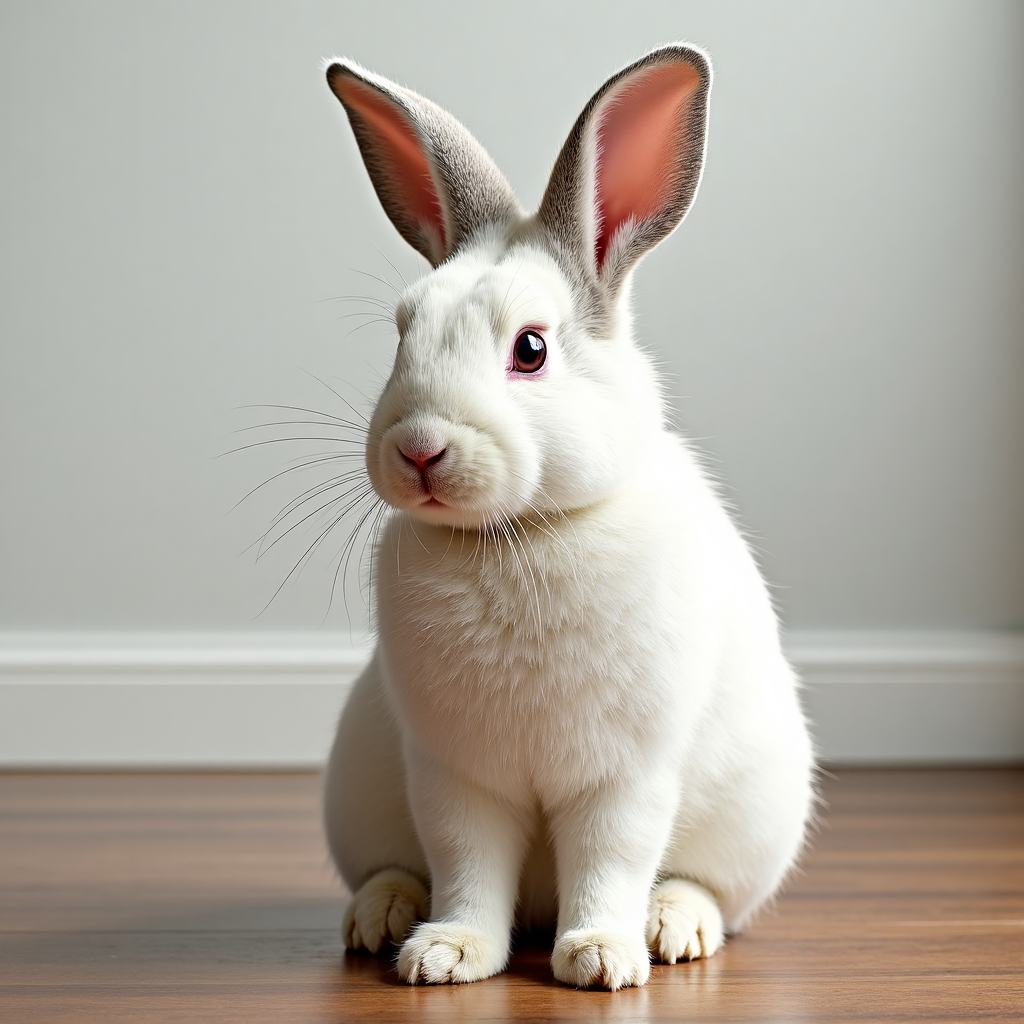
When it comes to rabbits, few breeds capture attention like the Flemish Giant. Known for its impressive size, gentle temperament, and striking appearance, the Flemish Giant Rabbit is a favorite among pet owners, breeders, and even those who simply appreciate the beauty of these creatures. In this comprehensive article, we will delve into the fascinating world of the Flemish Giant Rabbit, exploring its history, characteristics, care requirements, and why it has become such a beloved companion animal.
A Brief History of the Flemish Giant Rabbit
The Flemish Giant Rabbit, as the name suggests, has its origins in Flanders, a region in Belgium. It is one of the oldest and largest rabbit breeds, with a history that dates back to the 16th century. Originally bred for meat and fur, the Flemish Giant quickly gained popularity due to its size and docile nature. Over time, as the demand for companion animals grew, the breed transitioned from being a working rabbit to a cherished pet.
During the 19th century, the Flemish Giant Rabbit was introduced to Britain and later to the United States, where it became a staple in rabbit shows and exhibitions. Its gentle disposition and impressive size made it a favorite among families, especially those looking for a calm and affectionate pet. Today, the Flemish Giant is recognized by rabbit organizations worldwide and is celebrated for its unique qualities.
Origins and Development
The Flemish Giant Rabbit is believed to have descended from the medieval European “Patagonian” rabbit, which was a large breed used primarily for food. Over the years, breeders in Flanders refined the breed, focusing on enhancing its size, fur quality, and temperament. The result was a rabbit that not only excelled in meat production but also made an ideal companion due to its calm and friendly nature.
Characteristics of the Flemish Giant Rabbit
The Flemish Giant Rabbit is easily distinguishable by its massive size and striking appearance. On average, these rabbits weigh between 14 to 22 pounds (6.3 to 10 kg) and can measure up to 2.5 feet (75 cm) in length. Their size alone makes them a unique choice for rabbit enthusiasts, but their gentle and affectionate nature further cements their popularity as pets.
Physical Traits
Flemish Giant Rabbits are known for their robust and powerful bodies. They have a well-balanced, broad-shouldered build with a large, deep chest and strong hindquarters. Their fur is dense and glossy, available in several colors including:
- Blue
- Black
- White
- Gray
- Brunette
- Fawn
Their fur is soft to the touch and requires regular grooming to maintain its luster and prevent matting. Flemish Giants also have distinctive mandolin-shaped ears that are long and slightly arched, adding to their majestic appearance.
Temperament and Personality
Despite their large size, Flemish Giant Rabbits are known for being gentle and calm. They are often described as “gentle giants” because of their docile nature and ability to form strong bonds with their owners. Flemish Giants are typically friendly, curious, and intelligent, making them excellent pets for families and individuals alike.
These rabbits are also known for their laid-back personalities. They enjoy lounging and can often be found stretched out in a sunny spot, soaking up the warmth. However, they are also active and enjoy exploring their surroundings, so a spacious living area is essential to keep them happy and healthy.
Lifespan and Health
On average, Flemish Giant Rabbits have a lifespan of 8 to 12 years, which is relatively long for a rabbit breed. However, their size can sometimes lead to health issues, such as back problems and obesity, if not properly cared for. Regular vet check-ups, a balanced diet, and ample exercise are crucial to maintaining their health and longevity.
One of the most common health issues in Flemish Giants is dental problems, which can be caused by improper diet or genetics. Providing a diet rich in hay, vegetables, and limited pellets can help prevent these issues. Additionally, their large size means they require more space than smaller breeds, so a spacious cage or outdoor hutch is necessary to ensure they can move freely and stay comfortable.
Caring for a Flemish Giant Rabbit
While the Flemish Giant Rabbit is a docile and affectionate breed, it requires specific care to thrive. Their large size and unique needs mean that potential owners should be prepared to provide a suitable living environment, a balanced diet, and regular attention to their health and well-being.
Diet and Nutrition
A proper diet is essential for the health of any rabbit, and the Flemish Giant is no exception. Their diet should consist of:
- High-quality hay (such as Timothy hay)
- Fresh vegetables like carrots, kale, and spinach
- A limited amount of pellets (no more than 1/4 cup per day)
- Water should be available at all times
It’s important to avoid overfeeding your Flemish Giant, as their large size makes them prone to obesity. A balanced diet will help maintain their weight and overall health.
Housing and Environment
Due to their size, Flemish Giant Rabbits require a spacious living area. A cage should be at least 36 inches long, 18 inches wide, and 18 inches tall, though larger is better. If kept outdoors, they need a secure hutch with plenty of room to move and access to shade and shelter.
Flemish Giants are also social animals and enjoy the company of humans and other rabbits. They should be given ample opportunities to interact and play, which can help prevent boredom and behavioral issues. Providing toys, such as chewable items and tunnels, can keep them entertained and mentally stimulated.
Exercise and Playtime
Regular exercise is crucial for the Flemish Giant Rabbit to maintain its health and prevent obesity. They should be given daily opportunities to hop, run, and explore in a safe, enclosed area. A large outdoor run or a spacious indoor space where they can move freely is ideal.
Additionally, Flemish Giants are intelligent and can be trained to perform simple tricks, such as jumping through hoops or coming when called. This not only provides mental stimulation but also strengthens the bond between you and your rabbit.
Grooming
Flemish Giant Rabbits have a dense, glossy coat that requires regular grooming to prevent matting and keep it in top condition. Grooming should be done at least once a week, using a soft-bristled brush to remove loose fur and dirt. During shedding season, more frequent grooming may be necessary to manage the excess fur.
It’s also important to check your rabbit’s nails and ears regularly. Nail trimming should be done every few weeks to prevent overgrowth, and ears should be cleaned to avoid infections. Proper grooming not only keeps your rabbit looking its best but also helps maintain its overall health.
Health Considerations
As mentioned earlier, Flemish Giant Rabbits are prone to certain health issues due to their size. Back problems, such as spinal injuries, can occur if they are not provided with enough space to move comfortably. Obesity is another concern, which can lead to a range of health issues, including heart disease and joint problems.
Regular vet check-ups are essential to ensure your Flemish Giant Rabbit is in good health. Your vet can also provide advice on diet, exercise, and grooming to help your rabbit live a long and happy life.
Conclusion
The Flemish Giant Rabbit is a remarkable creature, combining impressive size with a gentle and affectionate temperament. Whether you’re looking for a pet, a show rabbit, or simply a companion to add to your family, the Flemish Giant is a breed that offers endless joy and companionship.
However, it’s important to remember that caring for a Flemish Giant Rabbit requires a commitment to providing a spacious living environment, a balanced diet, and regular grooming and vet care. If you’re prepared to meet these needs, you’ll be rewarded with a loyal and loving companion that will bring years of happiness to your home.
So, if you’re considering adding a Flemish Giant Rabbit to your family, take the time to learn about their specific care requirements and ensure you’re ready to provide them with a loving and comfortable home. These majestic creatures are truly one of a kind, and with the right care, they can thrive and bring endless joy to their owners.