 By admin
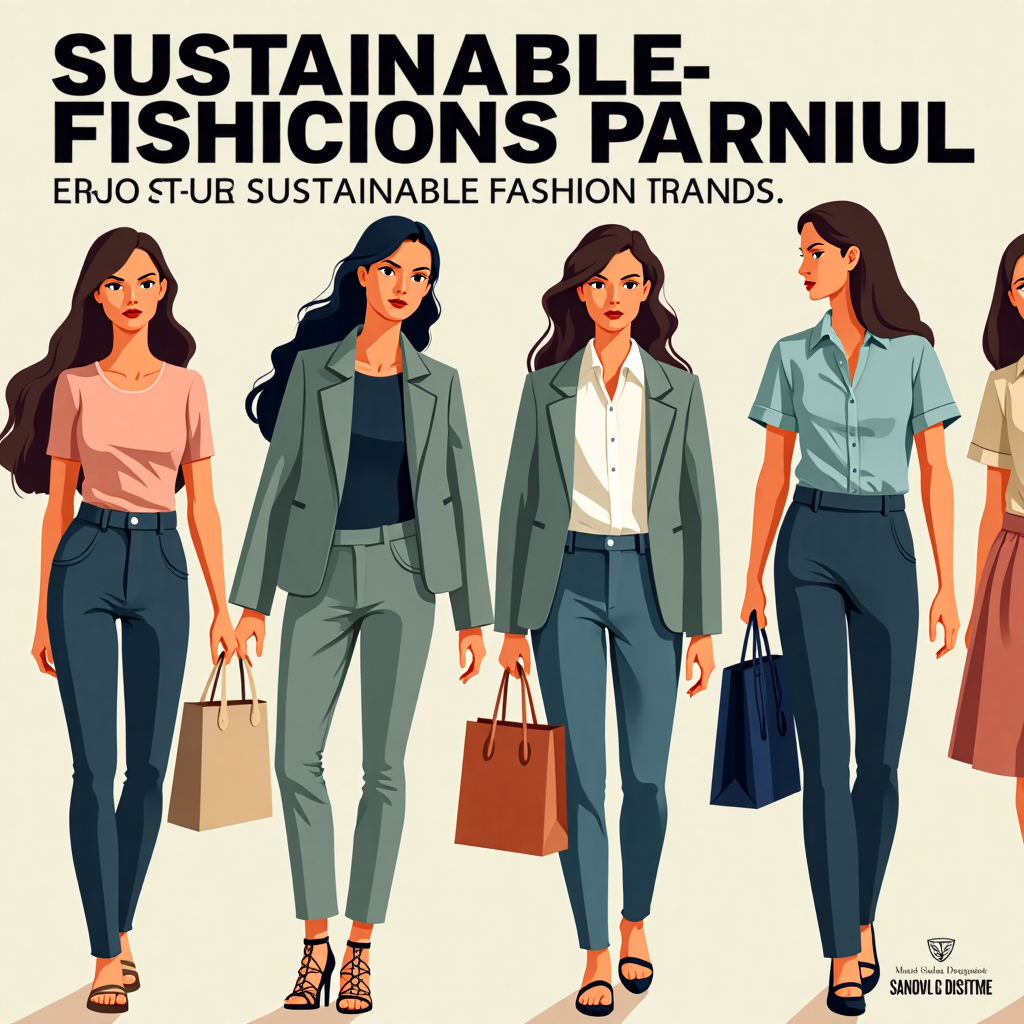
The fashion industry, long celebrated for its creativity and dynamism, is undergoing a profound transformation. Gone are the days when style came at the expense of the planet and its people. A powerful wave of change is sweeping through wardrobes worldwide, driven by a growing awareness of the environmental and ethical costs of fast fashion. This has given rise to a vibrant ecosystem of sustainable fashion brands, pioneers committed to redefining what it means to be fashionable in the 21st century. These brands are not just selling clothes; they are advocating for a more mindful, responsible, and equitable way of producing and consuming fashion.
For decades, the allure of cheap, trendy clothing fueled a cycle of overproduction and overconsumption. The hidden costs, however, became increasingly difficult to ignore: vast amounts of water pollution from dyeing processes, mountains of textile waste filling landfills, significant carbon emissions from global supply chains, and often, exploitative labor practices. Consumers, armed with more information than ever before, began demanding better. They sought transparency, ethical manufacturing, and environmentally friendly materials, pushing brands to innovate or risk irrelevance. This shift in consumer consciousness laid the fertile ground for sustainable fashion brands to flourish.
These pioneering brands represent a diverse spectrum, ranging from small independent labels to established names undergoing significant reinvention. What unites them is a shared commitment to principles that prioritize people and the planet alongside profit. They are challenging the status quo, proving that fashion can be both beautiful and benevolent. Their journey isn’t without hurdles – navigating higher production costs, combating “greenwashing,” and shifting deep-seated consumer habits remain significant challenges. Yet, their persistence is reshaping the industry, stitch by sustainable stitch.
What Defines a Sustainable Fashion Brand?
Understanding the core tenets of sustainable fashion is crucial for distinguishing genuine commitment from mere marketing hype. Sustainability in fashion is multifaceted, encompassing environmental stewardship, social responsibility, and economic viability throughout the entire lifecycle of a garment.
Environmental Responsibility
This pillar focuses on minimizing the ecological footprint of clothing production and disposal. Sustainable brands prioritize:
- Eco-Friendly Materials: Utilizing organic cotton (grown without harmful pesticides), recycled fabrics (like polyester made from plastic bottles), hemp, linen, Tencel (a biodegradable fiber from wood pulp), and innovative alternatives like Piñatex (made from pineapple leaves).
- Low-Impact Production: Implementing water-saving dyeing techniques, using renewable energy sources in manufacturing, and reducing chemical usage.
- Waste Reduction: Designing for durability, offering repair services, utilizing deadstock fabric (leftover material), and creating zero-waste patterns.
- Circularity: Designing products with end-of-life in mind, promoting recycling, upcycling, and take-back programs to keep garments out of landfills.
Ethical Production & Social Responsibility
True sustainability demands fair and safe conditions for the people making the clothes. This includes:
- Fair Wages & Safe Working Conditions: Ensuring workers throughout the supply chain receive living wages, work reasonable hours, and operate in safe environments, free from harassment and discrimination.
- Transparency & Traceability: Being open about where materials are sourced and garments are made, often publishing supplier lists and factory audit reports.
- Community Support: Investing in the communities where production occurs, supporting local initiatives and fair trade principles.
Animal Welfare
Many sustainable brands adopt a cruelty-free approach, avoiding leather, fur, wool (unless ethically sourced), and exotic skins. They opt for innovative vegan alternatives instead.
Why Sustainable Fashion Matters: Beyond the Hype
The urgency for adopting sustainable fashion practices cannot be overstated. The conventional fashion industry is a major contributor to global environmental crises. It accounts for a significant percentage of global carbon emissions, consumes vast quantities of water (particularly for cotton cultivation), and generates alarming amounts of textile waste – much of which is non-biodegradable and ends up in landfills or polluting oceans.
Beyond the environmental toll, the human cost is equally concerning. Fast fashion’s relentless drive for lower costs has often led to labor exploitation, unsafe factory conditions (tragically highlighted by incidents like the Rana Plaza collapse), and poverty wages for garment workers, predominantly women, in developing countries. Choosing sustainable brands directly supports efforts to rectify these injustices and build a more equitable industry.
Furthermore, sustainable fashion encourages a shift towards a more mindful consumption model. It promotes the idea of buying less, choosing well, and cherishing garments for longer. This “slow fashion” approach counters the disposability ingrained in fast fashion culture, fostering a deeper appreciation for quality, craftsmanship, and the story behind our clothes. It empowers consumers to align their purchasing power with their values.
Navigating the Landscape: Challenges and Considerations
While the momentum behind sustainable fashion is encouraging, the path forward is not without obstacles. Both brands and consumers face significant challenges in making sustainable fashion the norm.
Greenwashing: Seeing Through the Veneer
One of the biggest hurdles is “greenwashing” – when companies exaggerate or fabricate their environmental or ethical credentials to appeal to conscious consumers. This can range from vague buzzwords (“eco-friendly,” “natural”) without substantiation to minor sustainable initiatives overshadowing fundamentally unsustainable practices. Combatting greenwashing requires:
- Critical Scrutiny: Looking beyond surface-level marketing. Check for specific details about materials, manufacturing locations, and certifications.
- Demanding Transparency: Supporting brands that are genuinely open about their supply chains and impact.
- Third-Party Certifications: Utilizing recognized certifications (though research is needed here too, as standards vary) like GOTS (Global Organic Textile Standard), Fair Trade Certified, B Corp, and OEKO-TEX as indicators of verified commitments.
The Cost Conundrum
Sustainable garments often carry a higher price tag than their fast fashion counterparts. This reflects the true cost of ethical labor, environmentally responsible materials, and smaller-scale, quality-focused production. While this can be a barrier, reframing value is essential:
- Cost-Per-Wear: Investing in well-made, durable pieces that last for years often proves more economical in the long run than repeatedly buying cheap items.
- Prioritizing Purchases: Adopting a “less but better” mindset, focusing on versatile staples and timeless designs.
- Exploring Options: Supporting affordable sustainable brands, shopping second-hand, or renting clothes for special occasions.
Scaling Sustainability
Making sustainable practices mainstream across the entire industry, especially for large corporations, is complex. It requires overhauling entrenched supply chains, investing in new technologies, and changing deeply rooted business models focused on relentless growth and consumption. While challenging, the increasing pressure from consumers, investors, and regulators is driving this necessary evolution.
Spotlight on Pioneers: Leading Sustainable Fashion Brands
The sustainable fashion movement is rich with innovative and inspiring brands. Here are a few notable examples across different segments:
Patagonia (Outdoor & Activewear)
A long-time leader in corporate responsibility, Patagonia’s mission statement is literally “We’re in business to save our home planet.” They excel in using recycled materials (like their iconic fleece made from plastic bottles), offering a robust repair program (Worn Wear), promoting fair labor practices, and actively engaging in environmental activism. Their commitment to durability and repairability directly combats disposability.
Stella McCartney (Luxury Fashion)
A pioneer in luxury sustainable fashion, Stella McCartney has championed vegetarian, cruelty-free design since her label’s inception. She utilizes innovative alternatives like mushroom leather (Mylo), recycled nylon, and sustainable viscose, while pushing for greater transparency and lower-impact manufacturing within the high-fashion sphere, proving that luxury and ethics are compatible.
Reformation (Contemporary Women’s Fashion)
Known for its trendy styles and strong sustainability focus, Reformation emphasizes transparency through its “RefScale,” which tracks the environmental impact (water, CO2, waste) of each garment. They prioritize deadstock and sustainable materials, implement water-saving techniques, operate carbon-neutral shipping, and maintain ethical manufacturing standards, making sustainable fashion accessible and desirable.
People Tree (Fair Trade & Ethical Fashion)
A trailblazer in Fair Trade fashion, People Tree partners directly with artisans and farmers in developing countries. They use 100% organic cotton and other sustainable materials, ensure fair wages and safe working conditions through long-term partnerships, and promote traditional craftsmanship, demonstrating a deep commitment to social equity alongside environmental care.
Eileen Fisher (Timeless Wardrobe Staples)
Eileen Fisher focuses on timeless design, high-quality natural materials (organic cotton, linen, Tencel), and responsible manufacturing. Their innovative “Renew” program takes back old Eileen Fisher garments (from any year) for resale, recycling, or upcycling, creating a powerful circular model within their business.
How You Can Be Part of the Change
Supporting sustainable fashion isn’t just about buying from specific brands; it’s about adopting a more conscious approach to clothing overall.
- Educate Yourself: Research brands, understand materials, and learn about certifications.
- Prioritize Quality Over Quantity: Invest in well-made, versatile pieces that will last.
- Care for Your Clothes: Wash less often, use cold water, air dry when possible, and repair items to extend their lifespan.
- Explore Second-Hand: Thrifting, vintage shopping, and using resale platforms (like Depop, ThredUp) give clothes a second life and reduce demand for new production.
- Rent or Borrow: Consider renting for special occasions or borrowing items you rarely need.
- Support Sustainable Brands: Use your purchasing power to support companies aligned with your values.
- Demand Transparency: Ask brands about their practices and advocate for greater openness.
Conclusion: Stitching Together a Sustainable Future
The journey towards a truly sustainable fashion industry is complex and ongoing. Sustainable fashion brands are the vanguard, demonstrating that it is possible to create beautiful, desirable clothing without sacrificing ethics or environmental integrity. They challenge us to reconsider our relationship with what we wear – to see garments not as disposable commodities, but as expressions of values and investments in a healthier future.
While challenges like greenwashing and cost barriers persist, the collective power of informed consumers, innovative brands, and evolving regulations is driving meaningful change. By embracing conscious consumption, supporting ethical businesses, and demanding greater accountability, we can all contribute to weaving a more sustainable tapestry for the fashion industry. The rise of conscious couture isn’t just a trend; it’s a necessary evolution, stitching together a future where style and sustainability are seamlessly intertwined.