 By admin
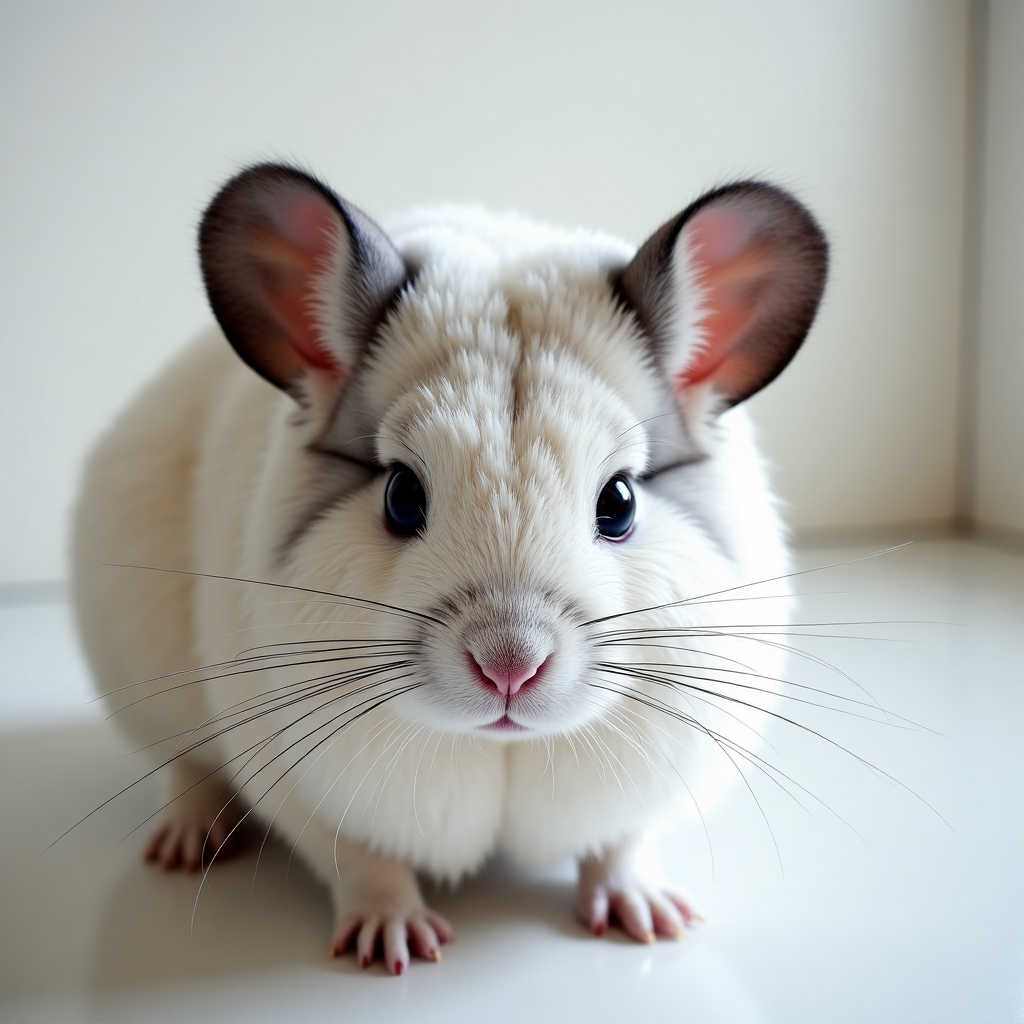
Chinchillas are adorable, playful, and intelligent rodents that make excellent pets for those who are willing to provide them with the proper care and attention they need. These little creatures, native to the Andes Mountains in South America, are known for their soft, luxurious fur and their unique personalities. If you’re considering adding a chinchilla to your family or already have one, it’s essential to understand their specific needs to ensure they live a long, happy, and healthy life. In this article, we’ll cover everything you need to know about chinchilla care, from their housing requirements to their diet, health, and behavior.
Understanding Chinchillas
Before diving into the specifics of chinchilla care, it’s important to understand more about these fascinating animals. Chinchillas are highly social creatures, often found in groups in the wild. They are crepuscular, meaning they are most active during the dawn and dusk hours. This behavior can be a bit challenging for pet owners who prefer having active pets during the day, but it’s something to keep in mind when planning their care.
Chinchillas are also very clean animals. They spend a significant amount of time grooming themselves, and they have a natural aversion to water. Instead of bathing, they take dust baths to clean their fur. This unique behavior is one of the many reasons why chinchillas make such interesting pets. However, it also means that their living environment needs to be kept clean and dry to prevent any health issues.
One of the most striking features of chinchillas is their fur. Their coats are incredibly soft and dense, which helps them survive in their natural cold, high-altitude habitats. As pets, their fur requires special care to maintain its health and prevent matting or infections. Understanding their fur care needs is a crucial part of chinchilla ownership.
Housing Your Chinchilla
Cage Requirements
The first step in chinchilla care is providing them with a suitable living environment. Chinchillas need a spacious cage that allows them to move freely and engage in natural behaviors like jumping and climbing. A minimum cage size of 24 inches in length, 12 inches in width, and 18 inches in height is recommended for a single chinchilla. For multiple chinchillas, you’ll need to significantly increase the cage size to accommodate their social nature and prevent overcrowding.
When selecting a cage, it’s important to choose one made of durable materials. Metal cages are ideal because they are easy to clean and provide protection from chewable materials. Avoid using wooden cages, as chinchillas are known to chew and can easily damage them. Additionally, the cage should have a solid bottom to prevent injuries to their feet and legs. Wire mesh floors can cause discomfort and even lead to foot problems, so it’s best to avoid them.
Bedding and Accessories
Chinchillas require a soft, absorbent bedding material to line their cage. Aspen wood shavings are a popular choice because they are safe, non-toxic, and help maintain a clean environment. Avoid using cedar or pine shavings, as they can contain harmful oils and fragrances that may cause respiratory issues. The bedding should be changed regularly to keep the cage clean and dry.
In addition to bedding, chinchillas need a variety of toys and accessories to keep them entertained and mentally stimulated. Chew toys are essential because chinchillas have continuously growing teeth that need to be worn down regularly. Timothy hay or untreated wooden blocks are great options for chew toys. You can also add climbing structures, such as wooden ladders or platforms, to mimic their natural habitat and provide exercise opportunities.
It’s also important to provide a hiding spot or a cozy area where your chinchilla can retreat when feeling stressed or overheated. A small cardboard box or a specially designed chinchilla house can serve this purpose. Ensure that the hiding spot is secure and doesn’t have any sharp edges that could harm your pet.
Diet and Nutrition
What Do Chinchillas Eat?
A proper diet is essential for the health and well-being of your chinchilla. These animals are herbivores, and their diet should primarily consist of hay, fresh vegetables, and a limited amount of pellets. Hay is the most important component of their diet, as it helps wear down their teeth and aids in digestion. Timothy hay is the best choice for adult chinchillas, while alfalfa hay can be given to younger chinchillas or as a treat.
Chinchillas also enjoy fresh vegetables such as carrots, broccoli, and leafy greens like kale and spinach. However, it’s important to introduce new vegetables gradually to avoid upsetting their sensitive digestive systems. Fruits should be given sparingly, as they are high in sugar and can lead to weight gain or other health issues if overfed.
Commercially available chinchilla pellets can be a good supplement to their diet, but they should not make up the majority of their food intake. Look for pellets that are high in fiber and low in fat and sugar. Avoid feeding your chinchilla any processed foods, sugary treats, or foods high in fat, as these can be harmful to their health.
Water and Dust Baths
Chinchillas need access to fresh, clean water at all times. A water bottle with a sipper tube is the best way to provide water, as it keeps the water clean and prevents spillage. Check the water daily and clean the bottle regularly to ensure it remains hygienic.
As mentioned earlier, chinchillas take dust baths instead of water baths. This is because their fur is so dense that it can trap moisture, leading to skin infections. A dust bath should be provided in a small container, such as a ceramic dish or a专用沙浴盒, filled with chinchilla-specific dust. This dust is specially formulated to help clean their fur and should be available to them at least a few times a week. Make sure to remove the dust bath after use to prevent it from becoming contaminated with urine or feces.
Health and Wellness
Common Health Issues
Like all pets, chinchillas are susceptible to certain health issues. One of the most common problems is dental issues, such as overgrown teeth. Chinchillas have continuously growing teeth, so it’s essential to provide them with plenty of chew toys and hay to help wear them down. If their teeth become overgrown, it can lead to difficulties eating and even infections. Regular vet checkups are crucial to catch any dental issues early.
Another common health concern is fur slip, a condition where the chinchilla sheds large patches of fur due to stress or improper handling. Fur slip is often caused by sudden movements or rough handling, so it’s important to handle your chinchilla gently and calmly. Providing a stress-free environment with plenty of hiding spots and toys can also help prevent this condition.
Respiratory infections are another potential health issue for chinchillas. These can be caused by poor ventilation, damp living conditions, or exposure to harmful substances like cedar shavings. Ensure that your chinchilla’s cage is well-ventilated and kept dry to prevent respiratory problems. If you notice any signs of sneezing, coughing, or difficulty breathing, contact a vet immediately.
Signs of a Healthy Chinchilla
A healthy chinchilla will have a full, thick coat of fur, bright eyes, and a clean, dry nose. They should be active and curious, spending much of their time jumping, climbing, and exploring their environment. Regularly monitor their behavior and appearance for any signs of illness or stress. If you notice any changes, such as a loss of appetite or lethargy, it’s important to seek veterinary care promptly.
Chinchillas should also have a healthy digestive system. Their droppings should be small, round, and dry. If you notice any changes in the size, shape, or consistency of their droppings, it could be a sign of a digestive issue. Adjusting their diet or consulting a vet may be necessary to address this problem.
Behavior and Bonding
Understanding Chinchilla Behavior
Chinchillas are naturally curious and playful animals, but they can also be quite shy and cautious. They are most active during the evening and early morning hours, so it’s best to interact with them during these times. Chinchillas are known for their unique vocalizations, which can include chirps, squeaks, and other sounds. These vocalizations are a way for them to communicate with each other and their owners.
One of the most endearing behaviors of chinchillas is their ability to jump and climb. They are excellent jumpers and can leap several feet into the air. Providing them with a cage that has multiple levels or platforms will allow them to engage in this natural behavior and stay physically active. Chinchillas also enjoy running around in a safe, enclosed space, so consider setting up a playpen for them to explore outside of their cage.
Bonding with Your Chinchilla
Building a bond with your chinchilla takes time and patience. These animals are not typically lap pets, but they can become quite affectionate with their owners if handled gently and consistently. Start by spending time near their cage, talking to them in a calm, soothing voice. This will help them become accustomed to your presence and reduce their stress levels.
Once your chinchilla is comfortable with you, you can begin handling them. Always approach them slowly and carefully, allowing them to come to you if they feel comfortable. Avoid picking them up by their tail, as this can cause injury. Instead, support their body with both hands, ensuring they feel secure and safe. Regular handling will help build trust and strengthen your bond with your chinchilla.
Fun Facts About Chinchillas
- Chinchillas can live up to 10-15 years with proper care, making them a long-term commitment as pets.
- They are native to the Andes Mountains and are well-adapted to cold temperatures. In fact, they can overheat easily, so it’s important to keep their living environment cool.
- Chinchillas are crepuscular, meaning they are most active during dawn and dusk. This behavior can be a bit challenging for pet owners who prefer daytime activity.
- They have incredibly dense fur, with about 60 hairs growing from each follicle. This makes their fur extremely soft and luxurious, but also prone to matting if not properly cared for.
- Chinchillas are highly social animals and are often found in groups in the wild. Keeping them in pairs or small groups can help reduce stress and promote healthy behavior.
Conclusion
Chinchillas are fascinating and rewarding pets that require a specific set of care and attention. By providing them with a spacious, well-ventilated cage, a balanced diet rich in hay and vegetables, and opportunities for exercise and mental stimulation, you can ensure that your chinchilla remains happy and healthy. Understanding their unique behaviors, such as their preference for dust baths and their crepuscular nature, is also key to providing them with a fulfilling life as pets.
While chinchillas can be a bit challenging to care for due to their specific needs, they are well worth the effort. Their soft fur, playful personalities, and intelligent behavior make them a joy to have as pets. By taking the time to learn about their care requirements and building a strong bond with your chinchilla, you can enjoy many years of companionship and happiness together.
If you’re considering adding a chinchilla to your family, remember to do your research and consult with a qualified exotic pet vet to ensure you’re prepared to meet all of their needs. With the right care and attention, your chinchilla will thrive and bring endless joy to your life.