 By admin
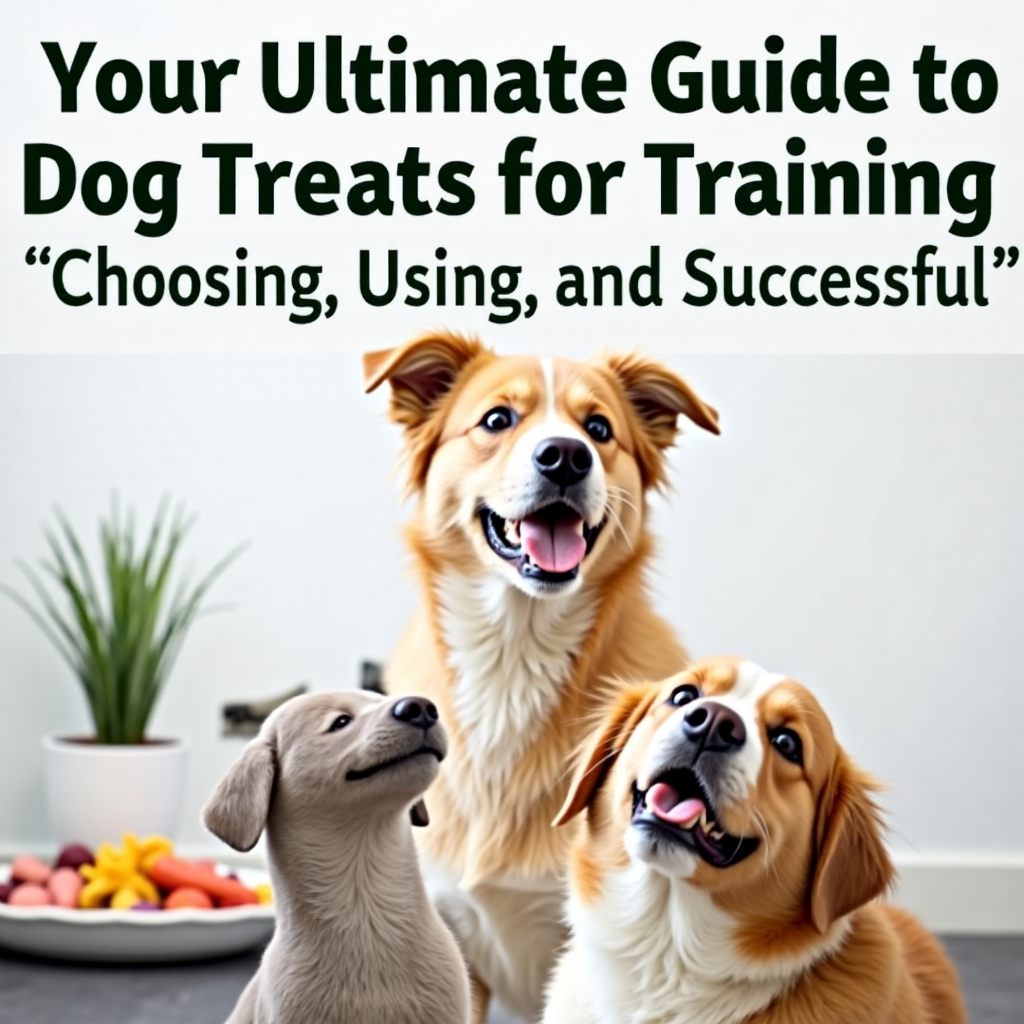
Your Ultimate Guide to Dog Treats for Training: Choosing, Using, and Succeeding
For over a decade, I’ve guided countless pet parents through the rewarding journey of dog training, and one truth remains constant: the right treat is a game-changer. It’s more than just a snack; it’s a communication tool, a motivator, and the currency of a positive training relationship. Whether you’re teaching a puppy its first “sit” or an old dog a fancy new trick, the treats you use can dramatically accelerate your success or lead to frustrating stagnation. This comprehensive guide dives deep into the world of dog treats for training, moving beyond the basics to give you the expert insights you need to train effectively, healthily, and joyfully.
The Science of Motivation: Why Treats Work So Well
At its core, positive reinforcement training is about rewarding desired behavior to increase the likelihood of it happening again. Treats are the most immediate, clear, and universally motivating reward for most dogs. When your dog performs a behavior and is immediately rewarded with a delicious morsel, their brain releases dopamine, a feel-good neurotransmitter. This creates a positive association not just with the treat, but with the action itself and with you as the provider of good things. It’s a powerful feedback loop that builds focus and enthusiasm. Unlike praise or toys, which can be hit-or-miss, a high-value treat is a consistent, primary reinforcer that taps directly into your dog’s primal drive for food, making it an indispensable tool, especially in the critical early stages of learning or in distracting environments.
Primary vs. Secondary Reinforcers
Understanding this distinction is key. Primary reinforcers satisfy a biological need, like food, water, or shelter. Secondary reinforcers, like verbal praise (“Good dog!”) or a click from a clicker, have no inherent value until they are consistently paired with a primary reinforcer. This is why we “charge” the clicker or pair our happy voice with treats. Over time, the secondary reinforcer itself becomes rewarding, but food often remains the most powerful driver for complex or difficult tasks.
Choosing the Perfect Training Treat: A Criteria Checklist
Not all treats are created equal for training purposes. The treat you give after a long walk is different from the one you’ll use in a 15-minute training session. Here’s what to look for.
Size, Smell, and Speed
Size: Training treats should be tiny—pea-sized or even smaller for large breeds. You’ll be giving dozens, even hundreds, in a single session, so you must manage calorie intake. Tiny bites also mean the dog can eat them quickly and refocus on you, maintaining the training flow.
Smell: High-value treats often have a pungent aroma. For challenging distractions, think smelly meats like freeze-dried liver, salmon, or tripe. The nose knows!
Speed: They should be soft and easy to swallow. Crunchy treats that require chewing slow down training and can break the dog’s concentration.
Nutritional Integrity & Ingredient Quality
Since you’ll be feeding many, the ingredients matter. Look for:
- Named Protein Sources: “Chicken” is better than “meat meal.”
- Limited Fillers: Minimize corn, wheat, soy, and excessive sugars.
- Natural Preservatives: Like mixed tocopherols (Vitamin E).
- Made in Reputable Countries: With high food safety standards.
Remember, training treats are part of your dog’s daily caloric intake. Always subtract them from their regular meals to prevent obesity.
Building Your Treat Tiers: From Kibble to “Jackpot”
Professional trainers often use a tiered system of treat values. This strategy allows you to match the reward to the difficulty of the task and the level of distraction.
- Low-Value (Everyday): Your dog’s regular kibble, plain Cheerios, or boring biscuits. Best for easy commands in a low-distraction home environment.
- Medium-Value (Good Stuff): Commercial soft training treats, small pieces of cheese, or hot dog bits. Use for learning new behaviors or practicing with mild distractions.
- High-Value (The “Jackpot”): Freeze-dried liver, real chicken, beef heart, or special fish treats. Deploy these for reliable recall away from squirrels, for mastering a difficult trick, or as a “jackpot” (a handful given at once) for an exceptional performance.
- The “Life Reward”: Don’t forget that sometimes the best reward is life itself! Ask for a “sit” before opening the door for a walk, or a “down” before putting the food bowl down. This integrates training into daily life.
Mastering the Art of Delivery: Timing and Technique
Choosing the right treat is only half the battle; how you deliver it is equally important.
The Golden Rule of Timing
The reward must happen within 1-2 seconds of the desired behavior. This precise timing helps the dog connect the action with the consequence. A marker word like “Yes!” or a clicker can “bridge” the slight gap between the behavior and the treat delivery, telling the dog exactly what they did right.
Strategic Placement
Where you give the treat can influence the dog’s position for the next command. For example:
- Giving a treat for a “sit” by moving it slightly up and back can encourage the dog to sit more squarely.
- Placing a treat on the ground between the dog’s front paws after a “down” can help solidify a solid, relaxed down-stay.
- For “heel,” deliver the treat at your hip where you want the dog’s head to be.
Common Training Treat Pitfalls and How to Avoid Them
Even with the best intentions, mistakes happen. Here’s how to steer clear of common errors.
- Overfeeding: The #1 mistake. Use tiny treats and adjust main meals. Consider using a portion of your dog’s daily kibble as low-value training rewards.
- Boredom: Dogs tire of the same treat. Rotate your medium and high-value options to keep motivation high.
- Bribing vs. Rewarding: If you show the treat before the behavior (“Sit! Look, I have a cookie!”), you’re bribing. Instead, ask for the behavior first, then surprise them with the reward. This teaches the dog to offer the behavior without seeing the treat first.
- Ignoring Dietary Needs: Always consult your vet if your dog has allergies, diabetes, or pancreatitis. Many healthy alternatives exist, like single-ingredient proteins or even using their prescribed diet kibble.
Healthy Homemade Training Treat Recipes
For ultimate control over ingredients, making your own treats is fantastic. Here’s a simple, popular recipe:
Simple Liver Brownies
Ingredients: 1 lb chicken or beef liver, 1 cup whole wheat or oat flour, 2 eggs, 1 clove garlic (optional, and only in safe, tiny amounts).
Instructions: Puree liver and eggs until smooth. Mix in flour to form a batter. Pour into a greased baking pan and bake at 350°F for 15-20 minutes until set. Let cool, cut into tiny cubes, and store frozen. They are smelly, soft, and dogs adore them!
Phasing Out Treats: The Path to Reliability
The end goal isn’t a dog that only works for food. The goal is a well-trained dog who responds out of habit and partnership. To get there, you must switch to a variable reinforcement schedule. Once a behavior is learned, start rewarding unpredictably: treat for the first perfect “sit,” skip the next two, treat for the fourth, etc. This mimics a slot machine and actually makes the behavior more resistant to extinction. Simultaneously, pair treats with life rewards and praise, so your dog works for the chance of a treat, a game, or a belly rub. The treats become a bonus, not a bribe.
Conclusion: Treats as Tools for a Stronger Bond
Selecting and using dog treats for training is both an art and a science. It requires observation, adaptability, and a focus on your unique dog’s preferences and needs. When done correctly, those tiny morsels of food become so much more than calories. They become tokens of communication, building blocks of trust, and catalysts for joyful learning. By choosing high-quality, appropriate treats, delivering them with precise timing, and strategically phasing them into a variable schedule, you empower your dog to learn confidently and willingly. Ultimately, the most powerful treat of all is the deepened bond and mutual understanding you cultivate—one successful, rewarding step at a time. Now, grab your treat pouch, arm yourself with knowledge, and enjoy the incredible journey of training your best friend.