 By admin
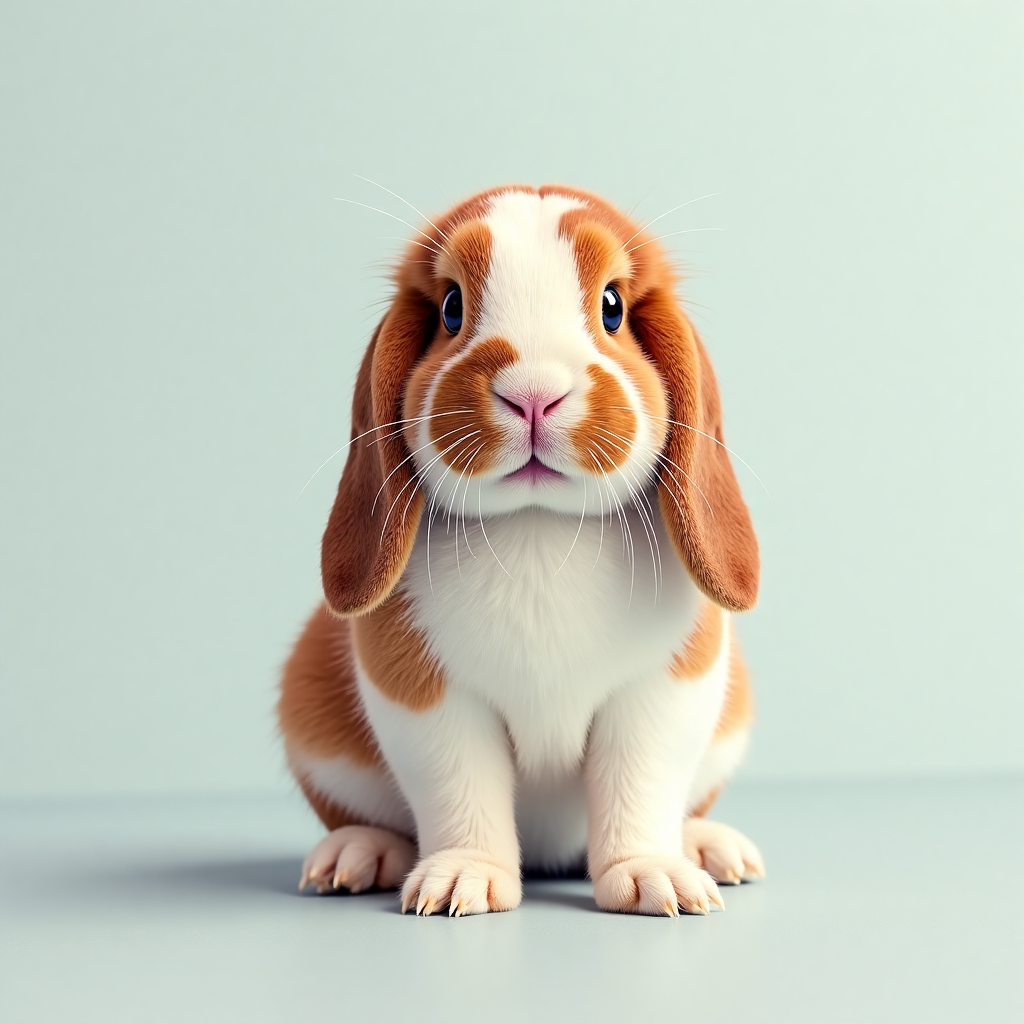
In the enchanting world of rabbits, few breeds capture the heart quite like the Holland Lop. With their irresistibly droopy ears, compact size, and often docile personalities, these little charmers have hopped their way to the top of the popularity charts among pet enthusiasts. Whether you’re a seasoned rabbit owner or considering your first foray into bunny companionship, the Holland Lop presents a compelling case. This article delves deep into everything you need to know about this delightful breed – their history, unique characteristics, care requirements, health considerations, and why they might just be the perfect furry friend for you.
A Brief History: From Dutch Origins to American Stardom
The story of the Holland Lop begins, unsurprisingly, in the Netherlands. In the early 1950s, a Dutch breeder named Adrian de Cock embarked on a mission to create a miniature lop rabbit. His goal was ambitious: to combine the floppy ears characteristic of French Lops with the compact size of the Netherland Dwarf. To achieve this, he crossed a Netherland Dwarf buck with a French Lop doe. While the initial litters didn’t yield the desired results, de Cock persevered, later introducing English Lop genetics into his breeding program. This careful and selective breeding eventually bore fruit.
By 1964, de Cock felt confident enough in his creation to present the breed to the Dutch governing rabbit body. While initially hesitant due to the breed’s relatively large head size compared to its body, they granted recognition in 1964. The breed quickly gained popularity in Europe. It wasn’t long before Holland Lops made their way across the Atlantic. The American Rabbit Breeders Association (ARBA) officially recognized the Holland Lop in 1979, cementing its place in the American rabbit fancy. Since then, their popularity has soared, consistently ranking as one of the most beloved rabbit breeds for both showing and companionship.
Unmistakable Characteristics: Defining the Holland Lop Look
The Holland Lop possesses a distinct set of physical traits that make it instantly recognizable. Understanding these breed standards helps appreciate their unique appeal.
The Signature Look: Compact and Cuddly
Holland Lops are classified as a dwarf breed, though they are slightly larger than the Netherland Dwarf. An ideal Holland Lop exhibits a compact, muscular body that appears short and stocky. They should have a broad, rounded head that sits close to their shoulders, giving them a cobby (short and stout) appearance. Their back should be well-rounded from shoulders to hindquarters. One of their most defining features, of course, is their lopped ears. These ears hang vertically down the sides of the head, framing their face, and should not extend more than about one inch below the jawline. The ears are thick, well-furred, and have a distinctive rounded shape at the tips, often described as “crown-like.”
A Rainbow of Coats
Holland Lops boast a wide variety of coat colors and patterns, adding to their visual charm. Their fur is dense, soft, and of medium length, requiring regular grooming but not the intensive maintenance of some long-haired breeds. The ARBA recognizes numerous color varieties, including:
- Solid Colors: Such as black, blue, chocolate, lilac, ruby-eyed white (REW), blue-eyed white (BEW), chestnut, opal, orange, and more.
- Broken Patterns: These feature a combination of white and another color, often with specific markings on the nose, ears, and body.
- Shaded Colors: Like sable point, seal, siamese sable, and tortoiseshell.
- Agouti Patterns: Including chestnut agouti, chinchilla, opal, and lynx.
- Tan Pattern: Where the main body color is overlaid with tan markings on specific areas.
This incredible diversity means there’s likely a Holland Lop color combination to suit every aesthetic preference.
Beyond the Cute Face: Understanding Holland Lop Care
Owning a Holland Lop, like any pet, is a commitment that requires knowledge and dedication. Their small size doesn’t equate to minimal care needs.
Creating a Bunny Paradise: Housing and Environment
Contrary to outdated practices, rabbits should not live in small, cramped hutches outdoors. Holland Lops thrive best as indoor companions. They need a spacious enclosure that allows for freedom of movement, ideally an exercise pen (x-pen) or a large cage, but they should not be confined 24/7. The general rule is the larger the space, the better. The enclosure must be tall enough for them to stand fully upright on their hind legs without their ears touching the top.
- Bedding: Provide a comfortable area within their enclosure. Avoid cedar or pine shavings, as the aromatic oils can be harmful. Safer options include aspen shavings, paper-based bedding, or fleece liners (which require more frequent washing).
- Litter Training: Rabbits are naturally clean animals and can often be litter trained relatively easily. Place a litter box filled with rabbit-safe litter (paper pellets or compressed wood pellets are good choices) in the corner they choose to use. Avoid clumping cat litter.
- Bunny-Proofing: When your Holland Lop is enjoying supervised free-roam time outside their enclosure, bunny-proofing your home is essential. This means protecting electrical cords (a major chewing hazard), removing toxic plants, blocking off unsafe areas, and securing anything valuable or dangerous they might chew.
- Temperature Control: Holland Lops are sensitive to extreme temperatures. Keep them in a climate-controlled environment, ideally between 60°F and 75°F (15°C – 24°C). Avoid direct sunlight and drafts.
The Cornerstone of Health: Diet and Nutrition
Proper nutrition is paramount to a Holland Lop’s health and longevity. Their digestive systems are delicate and require a specific balance.
- Unlimited Hay: The absolute foundation of a rabbit’s diet is unlimited access to high-quality grass hay, such as Timothy hay or Orchard grass. Hay provides essential fiber for proper gut motility and digestion, and it helps wear down their continuously growing teeth. Alfalfa hay is too rich in calcium and protein for adult rabbits and should only be given to young kits or pregnant/nursing does.
- Fresh Greens: A variety of fresh leafy greens should be offered daily. Good options include romaine lettuce, green/red leaf lettuce (avoid iceberg lettuce), cilantro, parsley, dandelion greens (pesticide-free), basil, mint, and carrot tops. Introduce new greens gradually to avoid digestive upset. A general guideline is about 1 cup of greens per 2 pounds of body weight daily.
- Limited Pellets: High-quality timothy-based pellets can supplement the diet, but they should be given in limited quantities. For an adult Holland Lop, about 1/4 cup per day is typically sufficient. Look for pellets high in fiber (18-20% minimum) and low in protein and fat. Avoid pellets with colorful seeds, nuts, or dried fruit mixed in.
- Treats (Sparingly): Fruits (like small pieces of apple, banana, or berries) and non-leafy vegetables (like a baby carrot) can be given as occasional treats, but only in very small amounts due to their sugar and starch content. Never give sugary human snacks or chocolate.
- Fresh Water: Clean, fresh water must be available at all times, provided in either a sturdy bowl or a sipper bottle. Bowls are often preferred as they allow for more natural drinking.
Grooming: More Than Just Looking Pretty
Regular grooming is not just about keeping your Holland Lop looking adorable; it’s crucial for their health.
- Brushing: While their fur isn’t excessively long, Holland Lops benefit from regular brushing, especially during shedding seasons (typically spring and fall). Use a soft-bristled brush or a grooming mitt to remove loose fur and prevent hairballs (which can cause serious digestive blockages). Brushing several times a week is recommended, increasing to daily during heavy sheds.
- Nail Trimming: Rabbit nails grow continuously and need regular trimming. Overgrown nails can curl and cause pain, infection, or difficulty walking. Trim nails every 4-6 weeks using small animal nail clippers, being careful to avoid the quick (the blood vessel inside the nail). If you’re unsure, ask your vet or a groomer for a demonstration.
- Ear Checks: While their lopped ears are charming, they can be prone to wax buildup and require occasional gentle cleaning. Check ears regularly for dirt, discharge, or odor, which could indicate infection. Consult your vet for proper cleaning techniques.
- Dental Monitoring: Rabbits’ teeth grow constantly. Provide plenty of hay and safe chew toys (like untreated wood blocks, cardboard tubes, or apple branches) to help wear them down naturally. Monitor for signs of dental problems like drooling, difficulty eating, or weight loss, and seek veterinary care if you notice anything amiss.
Health Considerations: Keeping Your Holland Lop Hopping
Holland Lops are generally hardy rabbits, but they are susceptible to certain health issues common to the breed and rabbits in general. Awareness and proactive care are key.
Common Health Concerns
- Dental Disease: Malocclusion (misalignment of teeth) can occur, especially if genetics or diet doesn’t allow for proper wear. This can lead to painful overgrown teeth, abscesses, and difficulty eating. Regular vet check-ups that include dental exams are vital.
- Gastrointestinal Stasis (GI Stasis): This is a life-threatening condition where the gut slows down or stops moving. It can be caused by stress, pain, dehydration, lack of fiber, or an underlying illness. Symptoms include reduced appetite, small or no fecal pellets, lethargy, and a hunched posture. GI stasis is an emergency requiring immediate veterinary attention.
- Ear Infections: Due to their lopped ears, Holland Lops can be more prone to ear infections (otitis) as the ear canal is less ventilated. Regular checks for redness, discharge, odor, or head shaking are important.
- Respiratory Infections: Snuffles (a bacterial infection causing sneezing, nasal discharge, and conjunctivitis) can occur, often related to stress or poor environmental conditions.
- Obesity: Overfeeding pellets and treats, combined with insufficient exercise, can lead to obesity, putting strain on joints and organs. Monitor body condition and adjust diet accordingly.
- Heatstroke: As mentioned, rabbits are very sensitive to heat. Ensure they always have a cool environment.
Preventative Care: The Role of the Veterinarian
The most important step in ensuring your Holland Lop’s health is finding a veterinarian experienced in rabbit medicine (an “exotics” vet). Regular wellness exams (at least annually, more frequently for seniors) are essential for early detection of problems. Vaccinations against diseases like Rabbit Hemorrhagic Disease (RHD) and Myxomatosis may be recommended depending on your location and risk factors. Discuss spaying or neutering with your vet; this surgery is highly recommended for pet rabbits to prevent reproductive cancers (especially in females), reduce hormonal aggression, and make litter training easier.
Personality and Temperament: More Than Just a Pretty Face
While Holland Lops are often praised for their looks, their personalities are equally endearing. Generally, they are known for being gentle, docile, and affectionate. Many enjoy being petted and will seek out human interaction, happily flopping down beside their owners. They can be quite playful and curious, enjoying toys and exploring their environment.
However, it’s crucial to remember that rabbits are prey animals. They can be initially shy or skittish, especially in new environments or with sudden movements or loud noises. Building trust takes time, patience, and respect. Always approach them calmly, let them come to you, and avoid forcing interactions. Sit on the floor and let them explore you. Hand-feeding greens is a great way to build positive associations. Each Holland Lop is an individual with its own unique personality – some may be more outgoing and clownish, while others are more reserved and observant.
Is a Holland Lop the Right Rabbit for You?
The Holland Lop’s compact size, adorable appearance, and typically sweet temperament make them an attractive choice for many potential pet owners. They can be wonderful companions for adults, seniors, and, with proper adult supervision and education, families with older children who understand how to interact gently with a small animal. They are relatively quiet pets, making them suitable for apartment living.
However, prospective owners must realistically assess the commitment:
- Longevity: Rabbits live 8-12 years, sometimes longer. This is a long-term commitment.
- Time: They require daily care (feeding, cleaning, social interaction), regular grooming, and veterinary visits.
- Space: They need adequate housing and safe space for exercise.
- Cost: Factor in the costs of housing, food, bedding, toys, and especially veterinary care (which can be significant for exotics).
- Social Needs: While they bond strongly with their humans, rabbits are social creatures. Consider adopting a bonded pair for companionship, especially if you are away from home frequently. Introducing rabbits takes careful effort.
Conclusion: The Enduring Charm of the Holland Lop
The Holland Lop rabbit is a testament to the fact that big personalities can come in small packages. Their distinctive floppy ears, compact bodies, and wide array of colors make them visually captivating, while their gentle and often affectionate nature endears them to their human companions. While they require dedicated care, including a proper diet, spacious housing, regular grooming, and veterinary attention, the rewards of sharing your life with a Holland Lop are immeasurable. They offer companionship, quiet amusement, and the simple joy of caring for another living being. If you’re prepared for the responsibilities of rabbit ownership and captivated by their unique charm, welcoming a Holland Lop into your home could be the beginning of a wonderfully rewarding journey filled with floppy-eared happiness.