 By admin
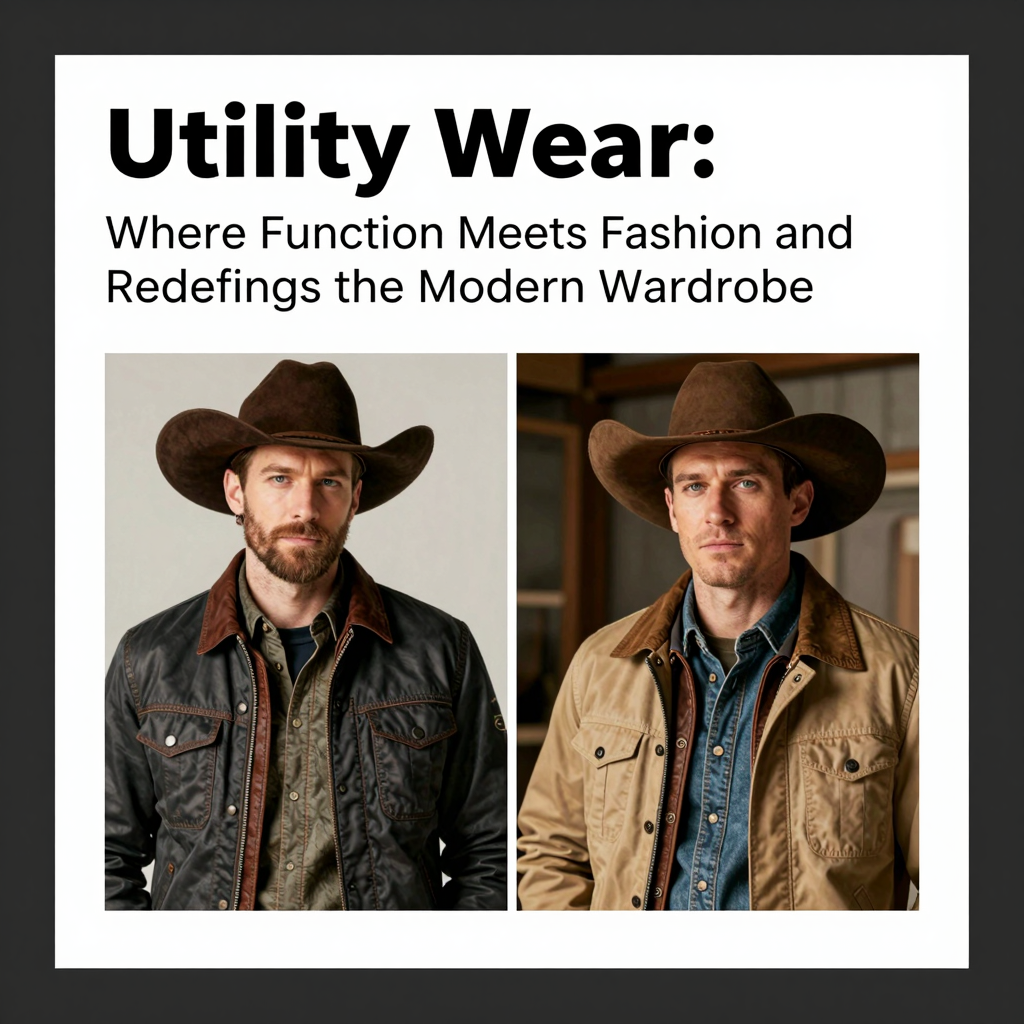
Utility wear has evolved from a purely practical category into one of the most influential movements in contemporary fashion. Born from the demands of military service, industrial labor, and outdoor survival, utility clothing was originally designed to perform under pressure. Today, that same focus on durability, storage, and ease of movement has been embraced by designers, stylists, and everyday consumers who want clothing that works as hard as they do. Whether you are drawn to the structured silhouette of a field jacket, the relaxed attitude of cargo pants, or the all-in-one convenience of a boiler suit, utility wear offers a rare balance between form and function. It is not just a trend; it is a response to a world that increasingly values versatility, longevity, and authentic design.
In a fashion landscape often dominated by fleeting styles and disposable garments, utility wear stands out for its commitment to purpose. Every pocket, strap, buckle, and reinforced seam tells a story of problem-solving. This is clothing that was created to carry tools, withstand harsh environments, and allow the body to move freely. As modern life becomes more dynamic and unpredictable, consumers are gravitating toward pieces that can transition seamlessly from work to weekend, from city streets to outdoor trails. Utility wear meets that demand without sacrificing visual impact. Its clean lines, earthy tones, and functional details have become a signature aesthetic that feels both rugged and refined.
As a person with a decade of experience writing about fashion and lifestyle trends, I have watched utility wear shift from a niche subculture staple to a global wardrobe essential. In this article, we will explore the history, defining features, current relevance, and styling potential of utility wear. By the end, you will understand why this category deserves a permanent place in your closet and how to integrate its best elements into your own personal style.
What Is Utility Wear?
At its core, utility wear refers to clothing designed with an emphasis on practicality, durability, and efficiency. The term encompasses a broad range of garments, including cargo trousers, field jackets, boiler suits, work shirts, vests, and overshirts that feature functional details such as multiple pockets, adjustable cuffs, reinforced stitching, and hard-wearing fabrics. Utility wear is often associated with a muted color palette of olive green, khaki, beige, charcoal, and navy, although modern interpretations have expanded to include brighter tones and unexpected textures.
The defining philosophy of utility wear is that clothing should serve a purpose beyond mere appearance. This does not mean sacrificing style; rather, it means integrating practical elements into designs that look intentional and polished. A well-made utility jacket, for example, may include a map pocket on the chest, a hidden interior compartment for valuables, and adjustable waist tabs for a customized fit. These features are not decorative gimmicks. They serve real functions, and that authenticity is what gives utility wear its enduring appeal.
Utility wear is also closely linked to the concept of workwear and technical fashion. While workwear traditionally refers to clothing worn by manual laborers, and technical fashion often implies high-performance materials and construction, utility wear bridges the gap. It borrows the durability of workwear and the intelligent design of technical apparel, then refines the result for everyday use. The modern utility wardrobe is built around pieces that are as appropriate for a commute as they are for a weekend hike or a creative workspace.
The History of Utility Fashion
Understanding utility wear requires looking back at its roots. The garments we now consider fashion staples were originally developed to solve specific problems in demanding environments. Their evolution into mainstream style is a fascinating journey through military history, industrial development, and cultural shifts.
Military Roots
Many of the most iconic utility garments have military origins. The field jacket, for instance, was designed for soldiers who needed lightweight but durable outerwear with easy access to ammunition, maps, and rations. The M-65 field jacket, introduced by the United States military in 1965, became a template for countless civilian versions. Its four large front pockets, concealed hood, and sturdy cotton-nylon blend made it a benchmark of functional design. Similarly, the cargo pant was developed for paratroopers in the British military during World War II. The oversized pockets were designed to hold supplies that soldiers could access quickly after landing, and that feature remains the defining characteristic of cargo trousers today.
Military utility clothing prioritized survival. Fabrics had to withstand abrasion, weather, and repeated laundering. Seams were reinforced, closures were made to be operated quickly, and cuts were designed for maximum mobility. After wars ended, surplus military garments entered civilian life through army surplus stores, where they were adopted by budget-conscious consumers, outdoor enthusiasts, and eventually by countercultural movements. This transition from battlefield to street corner laid the foundation for utility wear as a fashion category.
Workwear and Industrial Influence
Alongside military influence, the industrial revolution and the rise of manual labor created a parallel lineage of utility clothing. Workers in factories, railways, mines, and construction sites required clothing that could protect them from dirt, sparks, and heavy wear. Brands like Carhartt, Dickies, and Levi’s developed tough denim jackets, canvas trousers, and coveralls that were built to last. The classic chore coat, with its patch pockets and durable cotton duck fabric, became a staple of the American working class.
These workwear garments were not designed with fashion in mind, but their simplicity and honesty eventually attracted the attention of designers. The contrast stitching, riveted stress points, and utilitarian silhouettes provided a visual language that felt raw and authentic. By the late 20th century, workwear-inspired pieces began appearing on runways and in street style, blurring the line between labor and leisure. Today, many of the most respected utility wear brands still reference the construction techniques and proportions of traditional workwear.
From Subculture to Mainstream
Utility wear’s journey into the mainstream was driven in part by subcultures that valued function and rebellion. In the 1980s and 1990s, hip-hop artists popularized oversized cargo pants and work boots, creating a bold silhouette that celebrated practicality and street credibility. At the same time, outdoor brands like The North Face and Patagonia were embraced by youth cultures who valued technical performance and environmental consciousness. The 1990s also saw the rise of the backpacking and festival scenes, where multi-pocket vests and hard-wearing trousers became symbols of independence and adventure.
By the 2010s, utility wear had fully infiltrated high fashion. Designers such as Virgil Abloh, Kim Jones, and Junya Watanabe reinterpreted military and workwear classics with luxurious fabrics, tailored fits, and innovative construction. Cargo pants appeared in silk, boiler suits were cut with precision, and field jackets were lined with technical membranes. Today, utility wear is no longer a single trend but a permanent design language that continues to evolve with new materials and cultural priorities.
Key Characteristics of Utility Wear
What makes a garment truly “utility”? While designs vary widely, several core characteristics define the category and distinguish it from purely decorative fashion.
- Durable fabrics: Utility wear relies on materials that can withstand repeated use, such as cotton canvas, ripstop nylon, twill, denim, and waxed cotton. These fabrics resist abrasion and often develop a desirable patina over time.
- Multiple pockets: Pockets are the most recognizable feature of utility wear. Cargo pockets, flap pockets, zippered compartments, and hidden interior pockets offer both visual interest and practical storage.
- Functional fastenings: Zippers, snaps, buckles, and adjustable straps are used not only for closure but also for fit adjustment and modular functionality. These hardware details add a rugged, engineered feel.
- Reinforced construction: Double stitching, bar tacks at stress points, and reinforced knees or elbows increase longevity and signal quality.
- Adjustable elements: Drawcords, waist tabs, velcro cuffs, and detachable hoods allow the wearer to customize fit and adapt to changing conditions.
- Neutral, earthy color palette: Classic utility wear favors colors found in nature and military environments, including olive, khaki, tan, black, navy, and grey. These tones are easy to mix and match, contributing to versatility.
These characteristics are not merely aesthetic choices; they reflect a design philosophy rooted in problem-solving. A garment with well-placed pockets can reduce the need for a bag during short outings. Adjustable waist tabs allow a single jacket to fit comfortably over a t-shirt in spring or a heavy sweater in winter. Durable fabrics extend the life of the garment, reducing waste and cost per wear. When these elements are designed thoughtfully, utility wear becomes more than clothing—it becomes a tool for navigating daily life with greater ease.
The Modern Utility Aesthetic
Contemporary utility wear has expanded far beyond its rugged origins. Designers have embraced the category’s functional DNA while experimenting with silhouette, proportion, and material. The result is an aesthetic that can be structured or relaxed, minimalist or maximalist, depending on how the pieces are styled.
One of the defining garments of modern utility wear is the cargo pant. Over the past decade, cargo pants have been reinvented in slimmer cuts, wide-legged proportions, and technical fabrics. Designers have replaced bulky side pockets with sleek, integrated compartments, making the style more streamlined while preserving its practicality. The cargo pant can now be seen in high-fashion collections, office settings, and festival grounds alike. Its ability to combine comfort with utility has made it a cornerstone of the modern wardrobe.
The boiler suit and utility jumpsuit have also become signature pieces. Originally worn by mechanics and factory workers, these one-piece garments were designed to protect clothing and provide easy access to tools. Today, they are celebrated for their effortless, cohesive look. A well-tailored boiler suit flatters the body while eliminating the need to coordinate separates. It can be dressed up with heeled boots and jewelry or kept casual with sneakers and a cap. This versatility has made the jumpsuit a favorite among those who value efficiency and style in equal measure.
Other modern utility staples include the overshirt or “shacket,” which functions as a lightweight jacket with the structure of a shirt. Overshirts often feature buttoned chest pockets and are made from brushed cotton, wool blends, or technical fabrics. They are ideal for transitional weather and can be worn open over a t-shirt or buttoned as a mid-layer. The field jacket remains a timeless choice, with its multiple pockets and cinchable waist providing both form and function. Likewise, the utility vest has experienced a resurgence, offering a bold way to add texture and storage to an outfit without the bulk of a full jacket.
Accessories have also been influenced by utility design. Belt bags, harnesses, chunky boots, and utility belts have become popular additions that echo the functional spirit of the category. These pieces allow even a simple outfit to tap into the utility trend without a full commitment to head-to-toe utilitarian styling.
Why Utility Wear Is More Relevant Than Ever
The rise of utility wear is not accidental. It reflects broader cultural shifts in how people live, work, and think about consumption. As schedules become more fluid and environments more blended, clothing must adapt to a wider range of activities. Utility wear answers this need for versatility, allowing one garment to perform across multiple contexts.
The global pandemic accelerated this shift by normalizing remote work and casual dress codes. People sought comfortable clothing that still felt purposeful and polished. Utility pieces, with their relaxed fits and functional details, became a natural choice. A pair of well-made cargo pants offered the comfort of loungewear with the structure of ready-to-wear, while an overshirt provided an easy layer for video calls and errands alike.
Sustainability is another major factor driving interest in utility wear. As consumers become more aware of the environmental impact of fast fashion, they are investing in durable, timeless pieces that can be worn for years. Utility wear’s emphasis on quality construction and long-lasting materials aligns with the principles of slow fashion. A well-maintained field jacket or pair of canvas work trousers can remain in rotation for a decade or more, developing character with each wear. This longevity reduces the need for frequent replacement and encourages a more intentional relationship with clothing.
Additionally, utility wear has become a symbol of gender-neutral fashion. The relaxed cuts and functional design of utility garments often transcend traditional masculine and feminine categories. Cargo pants, boiler suits, and overshirts are now marketed and worn by people of all genders. This inclusivity has broadened the appeal of utility wear and reinforced its status as a modern wardrobe essential. In a cultural moment that values self-expression and fluidity, the androgynous nature of utility clothing feels particularly relevant.
How to Style Utility Wear
One of the greatest strengths of utility wear is its adaptability. The same cargo pants can be styled for a casual coffee run or an elevated evening look. The key is to balance functional pieces with complementary garments and accessories to create an intentional outfit rather than a costume. Below are some practical approaches to styling utility wear for different settings.
Casual Everyday Looks
For an easy, off-duty outfit, start with a pair of relaxed cargo pants in olive or khaki. Pair them with a simple cotton t-shirt in white or black, and layer with a lightweight utility overshirt. Finish the look with clean sneakers and a canvas belt bag or crossbody bag. The goal is effortless comfort with a sense of structure. Avoid overly bulky silhouettes by choosing cargo pants with a tailored or tapered leg, and keep the top half relatively streamlined.
A classic denim chore jacket is another versatile piece for casual wear. Throw it over a striped long-sleeve shirt and straight-leg jeans for a timeless workwear-inspired look. The multiple pockets add visual interest, while the durable denim ensures the jacket becomes a reliable outer layer for years. For footwear, leather boots or low-top sneakers both work well and reinforce the grounded, practical mood.
Elevated Urban Style
Utility wear can be refined for urban environments by focusing on fit and fabric. Choose a boiler suit in a premium material such as cotton twill or a wool blend, and cinch the waist with a leather belt. Add a pair of heeled boots or sleek leather sneakers, and layer with a structured blazer or tailored wool coat for a high-low contrast. This combination of utilitarian jumpsuit and polished outerwear creates a sophisticated look that feels modern and intentional.
For an elevated take on cargo pants, look for versions in softer, drapey fabrics like Tencel or silk-blend twill. Pair them with a fitted knit top and a minimalist leather jacket. Keep accessories understated—a slim watch, simple hoop earrings, and a structured leather bag—to let the utility details shine. The contrast between the relaxed cargo silhouette and the refined knitwear and leather creates a balanced, fashion-forward outfit.
Office-Appropriate Utility
As workplaces embrace more casual dress codes, utility wear has found a place in professional settings. The key is to select pieces with clean lines and avoid excessive hardware. A tailored utility shirt in a neutral tone can be tucked into high-waisted trousers and worn with loafers or ankle boots. Add a blazer in a coordinating color for a polished finish. This approach incorporates utility details without overwhelming the outfit.
A structured field jacket can also serve as an office-friendly outer layer. Choose a version in a refined fabric like waxed cotton or a wool blend, with minimal branding and subtle pockets. Layer it over a button-down shirt and chinos for a smart-casual look. Avoid overly distressed or oversized pieces, and opt for a fit that skims the body rather than drowning it. With thoughtful styling, utility wear can convey both competence and creativity in a professional environment.
Sustainability and Ethical Utility Wear
The utility wear movement is deeply connected to the growing demand for sustainable and ethical fashion. At its best, utility clothing is designed to last, both in terms of physical durability and aesthetic longevity. Investing in a high-quality utility jacket or pair of work trousers is a conscious decision to reject the cycle of disposable fashion. Instead of buying multiple cheap garments that fall apart after a few washes, consumers can choose one well-made piece that will serve them for years.
Many utility-focused brands are also leading the way in sustainable production practices. They use organic or recycled materials, minimize water and chemical use, and prioritize fair labor standards. Brands that emerged from workwear traditions often have a reputation for quality that naturally aligns with slow fashion principles. They produce garments that can be repaired, resold, or passed down, extending their life cycle even further.
To embrace sustainability within utility wear, consider the following practices:
- Prioritize quality over quantity: Invest in a few durable utility staples rather than accumulating many fast-fashion alternatives.
- Check fabric composition: Look for natural or recycled materials such as organic cotton, hemp, recycled nylon, and wool blends.
- Support ethical brands: Research companies that are transparent about their supply chains and labor practices.
- Repair before replacing: Learn basic mending techniques or use professional repair services to extend the life of your utility garments.
- Buy secondhand: Vintage military surplus and used workwear often offer exceptional quality and unique character at a lower environmental cost.
By approaching utility wear with a sustainable mindset, you not only build a more functional wardrobe but also contribute to a more responsible fashion industry. The very essence of utility wear—clothing that works—demands that we move away from waste and toward enduring value.
Conclusion
Utility wear is far more than a passing trend. It is a design philosophy that honors function, celebrates durability, and responds to the real needs of modern life. From its military and industrial roots to its current status as a fashion staple, utility clothing has proven its ability to adapt and endure. Its appeal lies in the authenticity of its details—the pockets that hold your essentials, the fabrics that withstand the elements, and the silhouettes that allow you to move freely through your day.
As our lives become increasingly multifaceted, the demand for versatile, dependable clothing will only grow. Utility wear meets that demand with honesty and style. Whether you are drawn to cargo pants, field jackets, boiler suits, or a simple utility overshirt, there is a place for this functional aesthetic in every wardrobe. By choosing well-made utility pieces and styling them with intention, you can build a wardrobe that supports your lifestyle, reflects your values, and stands the test of time.
Ultimately, utility wear reminds us that fashion does not have to choose between looking good and being useful. The most enduring style is the kind that works—for your body, your schedule, and your world. In a culture saturated with excess, utility wear offers a refreshing return to substance, proving that true style is found in clothing that is made to live in.