 By admin
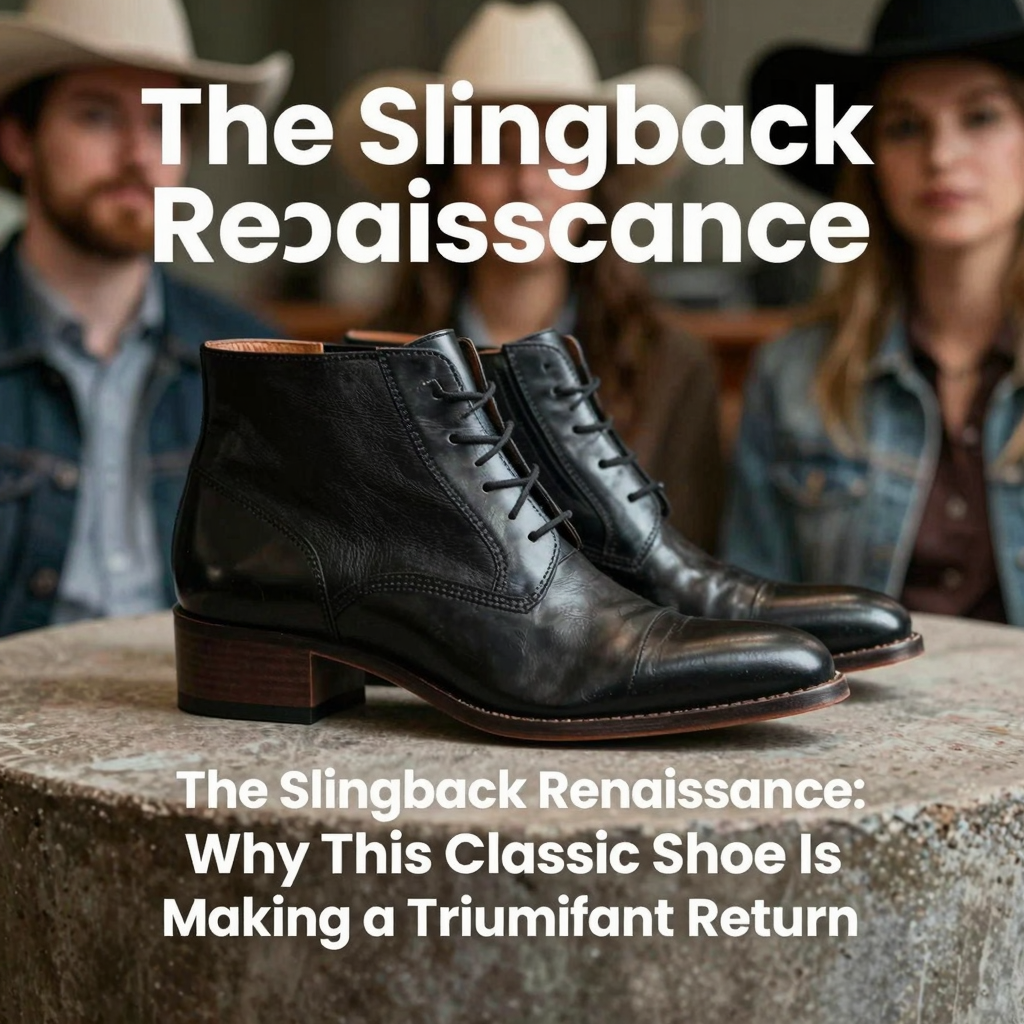
The Slingback Renaissance: Why This Classic Shoe Is Making a Triumphant Return
For a long time, the slingback was considered something of a forgotten relic—a shoe style that belonged to the polished wardrobes of the mid-twentieth century but had little relevance in the fast-paced, sneaker-obsessed modern world. Then, almost without warning, the slingback began to reappear. First on the runways of Paris and Milan, then on the feet of celebrities, influencers, and street-style icons, and finally in the collections of mainstream retailers across the globe. Today, the slingback is no longer a nostalgic throwback; it is one of the most sought-after silhouettes in contemporary footwear. The slingback renaissance is officially here, and it is reshaping how women and men approach elegance, comfort, and everyday versatility.
What makes this resurgence so remarkable is that it crosses generational and stylistic boundaries. Younger consumers who once gravitated exclusively toward chunky sneakers and platform boots are discovering the surprising edge of a low slingback kitten heel. Meanwhile, more mature fashion lovers are welcoming the return of a silhouette that feels familiar, refined, and endlessly sophisticated. The modern slingback is not simply a revival of an old favorite—it is a complete reimagining that blends heritage craftsmanship with contemporary design innovation. From minimalist leather flats to sculptural high heels, from pointed toes to square toes, and from neutral tones to bold colors, the slingback has proven itself to be incredibly adaptable.
In this article, we will explore the full story behind the slingback renaissance. We will look at the history of this iconic shoe, examine the cultural and social forces that have fueled its comeback, and discover why designers, stylists, and consumers are falling in love with it all over again. Whether you are a devoted fashion enthusiast or simply looking for a versatile shoe that can transition from office to evening, this guide will provide everything you need to know about embracing the slingback revival with confidence and style.
A Brief History of the Slingback
The slingback shoe, defined by a strap that wraps around the back of the heel while leaving the rest of the foot open, has a surprisingly long and distinguished history. Its origins can be traced back to the early twentieth century, when shoe designers began experimenting with open-heeled silhouettes as a response to the growing demand for lighter, more breathable footwear during warmer months. The introduction of the slingback represented a shift away from the heavy, fully enclosed shoes of the Victorian and Edwardian eras, offering women a sense of freedom and ease without sacrificing elegance.
By the 1930s and 1940s, the slingback had become a staple in women’s wardrobes, particularly in Europe and the United States. It was often crafted from fine leathers, satins, and suedes, and adorned with delicate buckles, bows, or low heels. The style was closely associated with glamour, sophistication, and the early days of Hollywood cinema. Actresses and socialites wore slingbacks to garden parties, luncheons, and evening soirées, cementing the shoe’s reputation as a symbol of refined femininity.
The Mid-Century Heyday
The slingback reached its first true peak in the 1950s and early 1960s, an era when feminine silhouettes dominated fashion. Designers such as Roger Vivier and Salvatore Ferragamo created exquisite slingback styles that were both structurally innovative and visually stunning. Vivier, in particular, is often credited with elevating the slingback to high art. His designs for Christian Dior in the 1950s included slingback pumps with elegantly curved heels and delicate ankle straps that accentuated the natural line of the leg. These shoes became iconic, appearing in fashion magazines and on the feet of some of the most famous women in the world.
During this period, the slingback was not just a fashion statement—it was also a practical choice. The open back allowed for greater flexibility and breathability, while the heel provided just enough height to create a graceful posture without the instability of a fully open mule. Women wore slingbacks to work, to church, to social events, and even while traveling. The style was versatile, comfortable, and universally flattering, which contributed to its widespread popularity.
The Decline and Dormancy
As fashion shifted in the late 1960s and 1970s toward more casual, bohemian, and youth-oriented styles, the slingback began to fade from prominence. Platform shoes, sandals, and clogs took center stage, and the once-ubiquitous slingback was pushed to the back of the closet. In the 1980s and 1990s, it experienced occasional brief revivals, often in the form of low-heeled office pumps or dressy evening shoes, but it never quite regained its mid-century dominance. Sneakers, ballet flats, and later chunky heels dominated the footwear landscape, leaving the slingback as a niche option for conservative or formal dressing.
For many years, the slingback was viewed as a somewhat dated or matronly style—a shoe associated with older generations or characters from period dramas. It lacked the youthful energy of sneakers and the edgy appeal of combat boots. As a result, it remained largely overlooked by mainstream fashion, waiting patiently for the cultural moment when its unique combination of elegance and ease would be appreciated once again.
Why the Slingback Renaissance Is Happening Now
The current slingback renaissance did not happen in a vacuum. It is the result of a convergence of cultural, social, and economic factors that have together created the perfect environment for this classic silhouette to thrive once more. Understanding these forces helps explain why the slingback has captured the imagination of a new generation and why it is likely to remain relevant for years to come.
The Influence of Social Media and Celebrity Culture
One of the most powerful drivers of the slingback revival has been social media. Platforms such as Instagram, TikTok, and Pinterest have turned fashion into a global conversation, allowing trends to emerge and spread with unprecedented speed. When influential celebrities and fashion bloggers began posting images of themselves wearing vintage-inspired slingbacks, the style quickly gained traction. High-profile figures such as Kendall Jenner, Bella Hadid, and Kate Middleton have all been spotted wearing slingback heels, instantly validating the trend for millions of followers.
Social media has also allowed for a democratization of style that benefits heritage silhouettes like the slingback. Unlike highly specialized or seasonal trends, the slingback is easy to understand, easy to style, and relatively easy to find at a variety of price points. This accessibility has made it a favorite among content creators who want to showcase timeless elegance without appearing overly fussy or unapproachable. The result is a constant stream of outfit inspiration that reinforces the slingback as both aspirational and attainable.
The Shift Toward Practical Elegance
After years of pandemic-driven loungewear and sneaker dominance, many consumers are craving a return to dressing up—but not at the expense of comfort. The slingback perfectly bridges this gap. It offers the polish of a traditional pump but with a lighter, more breathable construction that feels less restrictive. The open heel and adjustable strap allow for a custom-like fit, while the variety of heel heights—from flat to low to high—means there is a slingback for every level of comfort and occasion.
This shift toward practical elegance has been embraced by both designers and consumers. The modern slingback is no longer confined to the narrow, pinch-prone styles of the past. Today’s versions feature padded insoles, flexible soles, ergonomic arch support, and adjustable straps, making them suitable for long days at the office, city strolls, and even travel. The slingback renaissance is as much about comfort as it is about aesthetics, and that is a significant reason for its widespread appeal.
The Nostalgia Factor and Quiet Luxury
Fashion is naturally cyclical, and the current cultural fascination with the 1990s and early 2000s has brought renewed attention to many classic styles. The slingback, with its clean lines and understated glamour, fits perfectly within the ongoing trend of “quiet luxury”—a movement that prioritizes quality, craftsmanship, and subtle sophistication over loud logos and fleeting trends. Consumers are drawn to pieces that feel timeless and investment-worthy, and the slingback delivers exactly that.
Nostalgia also plays a powerful emotional role. For many people, the slingback evokes memories of elegant mothers, grandmothers, or favorite movie heroines. Wearing a slingback can feel like participating in a refined tradition while still expressing a modern, individual sense of style. This emotional resonance gives the trend depth and staying power, transforming it from a passing fad into a genuine cultural shift.
The Irresistible Appeal of Slingback Silhouettes
What exactly makes the slingback so appealing? The answer lies in its unique design, which combines the structure of a closed-toe pump with the lightness of a sandal. This hybrid nature gives the slingback a versatility that few other shoes can match. It can be modest and professional, or sexy and playful, depending on the heel height, toe shape, and materials used.
One of the key advantages of the slingback is its ability to elongate the leg. Because the back of the heel is exposed, the eye travels uninterrupted from the ankle down to the foot, creating the illusion of a longer, leaner silhouette. This flattering effect is enhanced by the strap, which draws attention to the slimmest part of the ankle and adds a delicate, feminine touch. No wonder so many stylists consider the slingback an essential wardrobe staple.
- Versatility: Slingbacks pair effortlessly with trousers, jeans, skirts, dresses, and even tailored shorts.
- Leg-lengthening effect: The open heel visually extends the line of the leg for a flattering silhouette.
- Adjustable fit: The back strap provides security and support, preventing the foot from slipping out unlike mules or slides.
- Seasonal flexibility: Closed-toe slingbacks work well in spring and autumn, while open-toe versions are perfect for summer.
- Timeless elegance: The style has transcended decades and never looks truly dated when chosen in classic shapes.
Designers and Brands Leading the Slingback Charge
The slingback renaissance has been driven by a combination of heritage luxury houses and innovative contemporary brands. These designers have reinterpreted the classic silhouette in fresh, exciting ways, proving that the slingback can be both timeless and modern. Chanel, for example, has long been associated with the iconic two-tone slingback pump, a design that first debuted in the 1950s and remains a bestseller today. The beige-and-black Chanel slingback is widely considered a wardrobe investment piece, celebrated for its ability to match almost any outfit while adding an instant touch of Parisian chic.
Other luxury houses have also embraced the trend. Prada’s slingback pumps with the signature triangle logo have become a status symbol among fashion insiders, while Gucci, Valentino, and Dior have all released updated versions of the classic slingback in recent seasons. These high-end designs often feature sculptural heels, unexpected materials, and bold hardware, pushing the boundaries of what a slingback can be. At the same time, accessible brands such as COS, Massimo Dutti, Everlane, and Sam Edelman have introduced affordable interpretations, making the slingback renaissance available to a much wider audience.
The variety of designs currently on the market is staggering. Pointed-toe slingbacks in patent leather evoke sharp, modern sophistication. Square-toe versions channel a retro 1960s vibe. Flat slingbacks offer all-day comfort without sacrificing style, while high stiletto slingbacks bring drama and glamour to evening wear. Whether you prefer minimalist neutrals or eye-catching metallics, there is a slingback for every taste.
How to Style Slingbacks for Every Occasion
One of the greatest strengths of the slingback is its remarkable versatility. The same pair of low-heeled slingbacks can look completely different depending on how they are styled. Below are some ideas for incorporating this iconic silhouette into your everyday wardrobe, no matter the occasion.
Office Chic
For a polished office look, choose a pair of low or mid-heel slingbacks in a neutral color such as black, navy, beige, or taupe. Pair them with tailored trousers or a midi skirt and a crisp blouse. The slingback adds a refined touch without feeling overly formal, making it an ideal alternative to traditional pumps or loafers. For a more contemporary take, try a pointed-toe slingback with a cropped ankle trouser—this combination creates a clean, confident line that works beautifully in professional settings.
Weekend Casual
Slingbacks are not just for the office. Flat or low-heeled styles in soft leather or suede can be worn casually with straight-leg jeans, a tucked-in T-shirt, and a blazer for an effortlessly chic weekend look. In warmer months, pair open-toe slingbacks with a flowy midi dress or linen shorts. The key is to keep the rest of the outfit relaxed and unfussy, allowing the slingback to provide a subtle sense of polish without feeling overdressed.
Evening Glamour
For evening events, opt for a high-heeled slingback in a luxurious material such as satin, velvet, or metallic leather. A slingback stiletto pairs beautifully with a cocktail dress, tailored jumpsuit, or floor-length gown. The open heel adds a hint of allure, while the strap ensures the shoe stays securely in place as you dance the night away. Consider styles with embellishments such as crystals, bows, or metallic details to make a statement.
- For the office: Low-block heel slingbacks with tailored trousers and a silk blouse.
- For weekends: Flat slingbacks with cropped jeans and a relaxed blazer.
- For evenings: High-heel slingbacks in satin or metallic with a sleek dress.
- For transitional seasons: Closed-toe slingbacks with midi skirts and lightweight knits.
- For summer: Open-toe slingbacks with sundresses or linen sets.
Choosing the Right Slingback for Comfort and Fit
While the slingback is generally more breathable and flexible than a fully enclosed pump, finding the right fit is essential for comfort. Many people worry that the back strap may slip or rub, but with the right design and proper sizing, these issues can be easily avoided. When shopping for slingbacks, pay close attention to the strap. It should sit snugly around the back of the heel without digging into the skin. Some styles feature adjustable straps or elastic inserts that provide a more customized fit and prevent slipping.
It is also important to consider the shape of the toe box. Pointed-toe slingbacks look stunning but may feel tight on wider feet. If comfort is a priority, look for almond-toe or rounded-toe styles that offer more room. The heel height is another factor—low and mid heels tend to be far more comfortable for extended wear than stilettos. Padded insoles and cushioned footbeds are features worth seeking out, as they significantly improve comfort without compromising style.
Materials Matter
The material of a slingback can greatly influence both its appearance and comfort. Soft, high-quality leather tends to mold to the foot over time, providing a custom fit. Suede is elegant and flexible but may require more maintenance. Patent leather is sleek and durable but can be less forgiving if the fit is not perfect. For warmer weather, canvas or woven fabrics offer breathability and a more casual feel. Investing in well-made materials is usually worthwhile, as a good pair of slingbacks can last for many years with proper care.
Sustainability and the Modern Slingback
As consumers become increasingly conscious of the environmental impact of fashion, the slingback renaissance intersects with a growing demand for sustainable and ethical products. Many brands are now offering slingbacks made from responsibly sourced leather, recycled materials, and innovative plant-based alternatives. The timeless nature of the slingback also aligns with the principles of slow fashion—because the style is not tied to a single fleeting trend, a well-made pair can be worn for years without looking dated.
Choosing a classic slingback silhouette is an inherently sustainable decision. Instead of purchasing multiple trendy shoes each season, consumers can invest in one versatile slingback that works across a variety of outfits and occasions. This shift toward fewer, better-quality purchases is at the heart of the modern wardrobe philosophy, and the slingback is perfectly positioned to support that mindset. Whether you opt for a heritage luxury brand or an eco-conscious contemporary label, you can participate in the slingback revival while making thoughtful choices for the planet.
The Future of the Slingback Renaissance
Looking ahead, it is clear that the slingback is more than just a passing trend. Its ability to adapt to changing tastes, technologies, and lifestyles has secured its place in the modern footwear landscape. Designers will continue to experiment with new materials, heel shapes, and decorative elements, ensuring that the slingback remains fresh and exciting. At the same time, the fundamental appeal of the silhouette—its elegance, comfort, and versatility—will remain unchanged.
The slingback renaissance is also likely to influence other areas of fashion. We are already seeing a return of kitten heels, pointed toes, and vintage-inspired accessories, all of which complement the slingback perfectly. As the movement toward practical elegance continues to grow, the slingback will undoubtedly remain a key player in wardrobes around the world. It is a shoe that honors the past while embracing the future, and that rare combination is precisely what makes it so enduring.
In conclusion, the slingback has re-emerged from the archives of fashion history to claim its place as one of the most beloved and versatile shoes of our time. Its journey from mid-century staple to forgotten classic to modern must-have is a testament to the cyclical nature of fashion and the enduring power of good design. Whether you are drawn to its leg-lengthening silhouette, its comfortable yet polished feel, or its ability to elevate any outfit instantly, there has never been a better moment to embrace the slingback renaissance. As this elegant shoe continues to evolve and inspire, one thing is certain: the slingback is back, and this time, it is here to stay.