 By admin
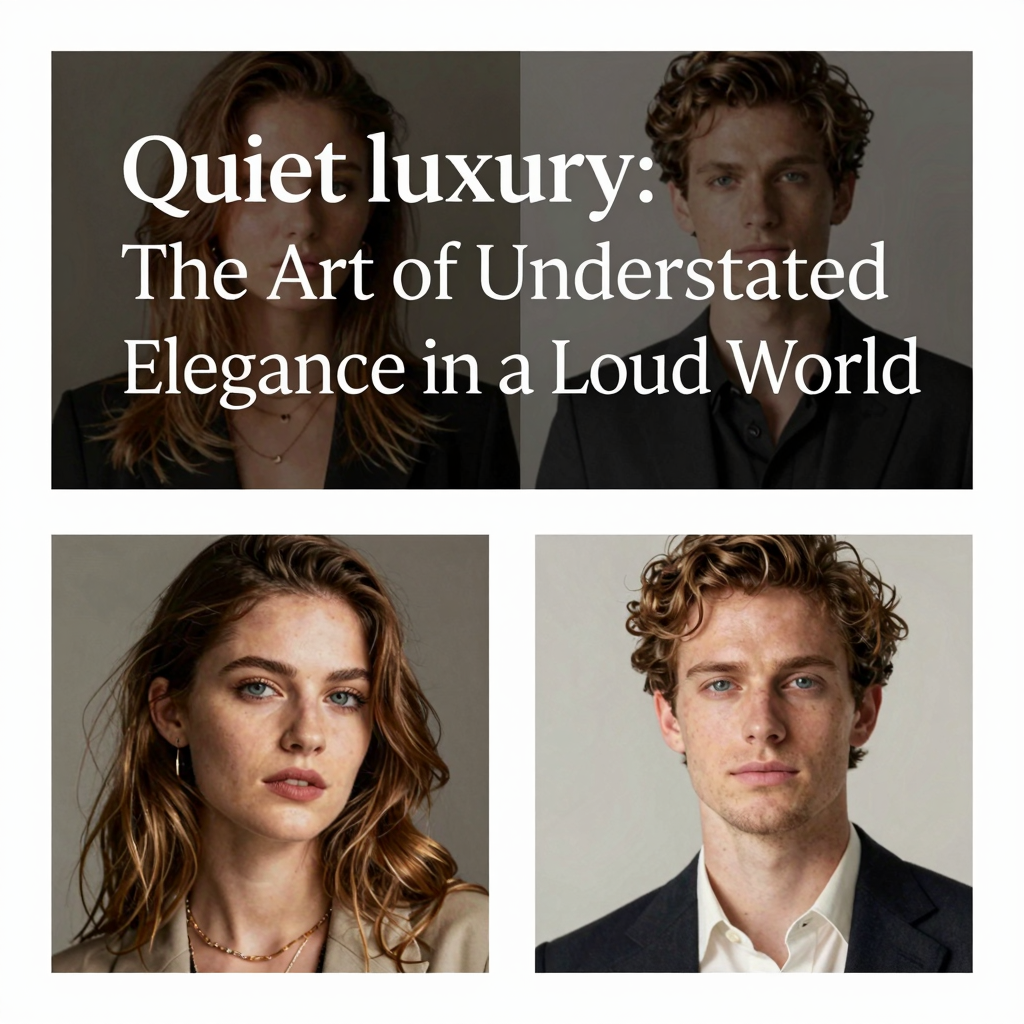
In a world saturated with flashy logos, viral trends, and increasingly loud displays of wealth, quiet luxury has emerged as a powerful counter-movement. It is not about shouting for attention; it is about whispering with confidence. Quiet luxury—often called stealth wealth or old-money style—centers on timeless design, exceptional craftsmanship, and materials that feel as good as they look. For discerning individuals, true luxury is no longer defined by a recognizable monogram but by the subtle details that only the wearer or owner truly understands.
As someone who has spent a decade writing about lifestyle, fashion, and design, I have watched trends rise and fall. Quiet luxury is different. It is not a trend in the traditional sense; it is a philosophy. It rejects the idea that value must be visible to everyone. Instead, it celebrates personal comfort, longevity, and the quiet confidence that comes from knowing you have chosen well. In this article, we will explore the roots of quiet luxury, its defining characteristics, and how you can incorporate it into your wardrobe, home, and daily life without losing your sense of self.
At its core, quiet luxury is an exercise in restraint. It asks a simple but profound question: What would you choose if you did not need to prove anything to anyone? The answer often leads to garments cut from sumptuous fabrics, interiors layered with natural materials, and a lifestyle that prioritizes experience over exhibition. This guide will help you understand why quiet luxury matters, how to recognize it, and how to make it work for you in a meaningful and sustainable way.
Understanding the Philosophy of Quiet Luxury
Quiet luxury is rooted in a deep appreciation for quality, craftsmanship, and intentionality. It is the opposite of conspicuous consumption, which relies on external validation and visible status symbols. Instead of buying items that broadcast wealth, followers of quiet luxury invest in pieces that speak softly but carry enormous substance. This approach is not about deprivation; it is about discernment. Every purchase is deliberate, every object has a purpose, and every design detail exists for a reason.
The philosophy also draws heavily from the idea of “old money” aesthetics. Families with generational wealth often do not feel the need to display their status through logos. Their clothing, homes, and belongings are chosen for longevity rather than trends. A perfectly worn leather briefcase, a cashmere sweater that lasts two decades, or a solid wood dining table passed down through generations all embody quiet luxury. These items are not necessarily inexpensive, but their value lies in their ability to endure and remain beautiful over time.
Importantly, quiet luxury is accessible as a mindset even if certain price points are not. You do not need a trust fund to appreciate good materials, to choose fewer but better things, or to reject the pressure of constant novelty. The philosophy encourages everyone to step off the treadmill of fast fashion and disposable home decor. It invites us to slow down, consider the story behind an object, and select pieces that align with our values rather than the whims of the market.
Key Characteristics of Quiet Luxury
Recognizing quiet luxury requires a shift in how we evaluate quality. It is rarely the item with the biggest logo or the brightest color. Instead, it is found in details that reveal themselves through touch, fit, and longevity. The following characteristics define the quiet luxury aesthetic across fashion, interiors, and lifestyle.
Exceptional Craftsmanship
At the heart of quiet luxury lies craftsmanship. Whether it is a hand-stitched hem, a dovetail joint in a wooden drawer, or a perfectly rolled edge on a silk scarf, the evidence of skilled human labor is paramount. These details are not immediately visible to the casual observer, but they make a profound difference in how an item performs and ages. Craftsmanship is the silent signature of true luxury. It cannot be faked by mass production, and it is often the reason why a well-made item costs more upfront but saves money over time.
Superior Materials
Material selection is another hallmark. Quiet luxury favors natural fibers and materials such as cashmere, merino wool, linen, silk, full-grain leather, solid wood, stone, and brass. These materials not only look refined but also develop a beautiful patina with age. A leather bag becomes more supple; a linen shirt softens; a wooden floor gains character. Synthetic alternatives may mimic the appearance of these materials initially, but they rarely replicate the tactile experience or durability. The feel of a high-quality fabric against your skin is an experience that visible branding can never provide.
Timeless Design
Quiet luxury rejects the idea that style must be reinvented each season. Instead, it embraces silhouettes, proportions, and forms that have proven their elegance over decades. A single-breasted navy blazer, a white oxford shirt, a well-tailored pair of trousers, a classic trench coat, and a simple leather loafer never go out of style. In interior design, this translates to clean lines, balanced proportions, and uncluttered spaces. The design is not boring; it is enduring. It provides a stable foundation that allows personality to emerge through small, considered choices.
Absence of Visible Logos
The most obvious sign of quiet luxury is the lack of prominent branding. Logos are replaced by quality. A sweater may be identifiable only by its exceptional drape or the fact that its seams lie perfectly flat. A handbag may have no monogram, but its hardware is weighty and its leather rich. This absence of logos is not a statement against brands; it is a preference for personal identity over corporate identity. The wearer is the focus, not the label. Quiet luxury whispers; it never shouts.
Quiet Luxury in Fashion
Fashion is perhaps the most visible arena for quiet luxury. Over the past decade, streetwear and logo-heavy designs dominated the market, but a growing number of consumers and designers are pivoting toward understated elegance. This shift is not about dressing plainly; it is about dressing with precision and intention. The quiet luxury wardrobe is built on a foundation of versatile, impeccably made garments that can be mixed and matched effortlessly.
Building a Quiet Luxury Wardrobe
The first step is to edit ruthlessly. Instead of a closet overflowing with impulse purchases, the quiet luxury wardrobe consists of fewer, better items. Neutral colors such as black, white, navy, camel, gray, and cream dominate because they coordinate easily and resist dating. Texture becomes essential because without bright colors or logos, tactile contrast creates visual interest. A chunky knit paired with fluid silk, or a crisp cotton shirt layered under a cashmere sweater, adds depth without noise.
Key pieces to consider include:
- Tailored blazers: A well-structured blazer in wool or cashmere instantly elevates any outfit.
- Silk and cashmere knitwear: These pieces layer beautifully and feel luxurious against the skin.
- High-quality denim or tailored trousers: The fit should be impeccable, neither too tight nor too loose.
- Leather loafers or minimalist sneakers: Footwear should be clean, comfortable, and classic.
- Wool and cashmere overcoats: A timeless coat is the ultimate quiet luxury statement.
- Simple leather accessories: Unbranded belts, bags, and wallets in full-grain leather develop character over time.
The Power of Fit
Even the most expensive garment will not look luxurious if it does not fit well. Quiet luxury places enormous emphasis on tailoring. A $50 thrifted blazer that has been professionally altered to fit your shoulders and waist will look far more elegant than a $2,000 designer jacket that pulls across the back. Find a good tailor and build a relationship with them. The small investment in alterations transforms average clothing into pieces that feel custom-made. Fit is the difference between wearing clothes and inhabiting them.
Quiet Luxury in Interior Design
The principles of quiet luxury extend seamlessly into the home. In interior design, this aesthetic is often described as warm minimalism, organic modernism, or understated elegance. It values space, light, and natural materials over decoration for decoration’s sake. The result is a home that feels calm, welcoming, and deeply personal without being ostentatious.
Materials and Textures
Quiet luxury interiors prioritize materials that age gracefully and appeal to the senses. Think honed marble countertops, solid oak floors, linen upholstery, wool rugs, bronze fixtures, and clay or ceramic vessels. These materials connect us to nature and provide a sense of permanence. They also create a layered sensory experience. Running your hand over a rough plaster wall, feeling the cool surface of a stone table, or sinking your feet into a plush wool rug are quiet moments of luxury that do not require a label.
Functionality and Space
Every object in a quiet luxury home should serve a purpose or bring genuine joy. Clutter is avoided not because it is messy, but because it distracts from quality. Open space is treated as a luxury itself. Furniture is arranged to encourage conversation and relaxation. Storage is considered and discreet, so that the visual field remains calm. This is not about sterile minimalism; it is about curating a home that supports your daily rituals. A well-chosen ceramic mug, a beautifully bound book, a comfortable reading chair with good lighting—these simple things become profound when they are selected with care.
Lighting as Luxury
Lighting is one of the most overlooked elements of quiet luxury. Natural light is maximized through sheer curtains or unobstructed windows. Artificial lighting is layered—ambient, task, and accent—to create warmth and depth. Table lamps with linen shades, sculptural floor lamps in brass, and candles provide a soft glow that flatters both the space and its inhabitants. Harsh overhead lighting is avoided in favor of pools of light that invite you to linger. Lighting can make an ordinary room feel extraordinary.
Quiet Luxury in Lifestyle and Behavior
Quiet luxury is not limited to what you wear or how you decorate. It is also a way of moving through the world. People who embody this philosophy tend to value privacy, discretion, and grace. They do not feel compelled to share every detail of their success on social media. They understand that true confidence does not seek applause. In conversation, they listen more than they speak, and they do not need to dominate the room. Their manners are impeccable, but never stiff.
This behavioral component is often overlooked in discussions of quiet luxury, yet it is arguably the most important. You can wear all the cashmere in the world, but if your behavior is loud, demanding, or performative, the illusion shatters. Quiet luxury is about conducting yourself with dignity. It means being punctual, keeping your word, treating service workers with respect, and avoiding gossip. It is the kind of class that has nothing to do with money and everything to do with character.
In a society that rewards extroversion and self-promotion, choosing quietness is a radical act. It signals that your sense of worth comes from within. You do not need external badges of approval. You are comfortable in your own skin, and that comfort is the ultimate luxury. Quiet luxury is confidence made visible through restraint.
The Difference Between Quiet Luxury and Minimalism
It is easy to confuse quiet luxury with minimalism, but the two are not synonymous. Minimalism often emphasizes reduction, emptiness, and the elimination of excess. Quiet luxury, on the other hand, is not necessarily about having fewer things; it is about having better things. A minimalist room might be stark and monochromatic, while a quiet luxury room might be filled with plush textures, layered neutrals, and antique furniture. Both value simplicity, but quiet luxury is warmer, more tactile, and more indulgent.
Quiet luxury also allows for ornamentation, provided it is meaningful. A hand-knotted Persian rug, a collection of leather-bound books, or a gallery wall of original art can all exist within a quiet luxury aesthetic. The key is that each piece is chosen with intention and contributes to a sense of history and depth. Minimalism can sometimes feel cold or transient; quiet luxury feels lived-in and enduring. It is a home that embraces you, a wardrobe that adapts to your life, and a lifestyle that honors quality over quantity.
Why Quiet Luxury Is More Relevant Than Ever
The rise of quiet luxury is not accidental. It is a response to a broader cultural exhaustion with noise. We are bombarded daily with advertisements, influencer endorsements, and carefully curated social media feeds. The constant pressure to display our lives has created a hunger for authenticity and privacy. Quiet luxury offers an antidote. It says that you do not have to participate in the spectacle. You can choose depth over show.
Economic factors also play a role. In uncertain times, conspicuous consumption can feel tone-deaf. Flashy displays of wealth may attract criticism or unwanted attention. Quiet luxury allows individuals to enjoy quality without provoking envy or judgment. It is a way of caring for yourself and your environment without broadcasting it to the world. Furthermore, as sustainability becomes a priority for more consumers, the idea of buying fewer, better-made items is gaining traction. Quiet luxury aligns with this shift toward conscious consumption.
Additionally, the digital age has made trends move faster than ever. What is fashionable today may be forgotten tomorrow. Quiet luxury offers a stable, enduring alternative. It is an investment in a personal style that does not require constant updating. This appeal to permanence and authenticity resonates deeply with those who are tired of chasing the next big thing. In a culture of more, quiet luxury chooses better.
How to Embrace Quiet Luxury on Any Budget
One of the most common misconceptions about quiet luxury is that it requires an unlimited budget. While it is true that high-end materials and craftsmanship often come with a higher price tag, the philosophy can be adopted at any income level. The key is to shift your priorities from quantity to quality and from trends to timelessness.
Here are practical ways to incorporate quiet luxury into your life without spending a fortune:
- Shop secondhand and vintage: Thrift stores, consignment shops, and online resale platforms are treasure troves of well-made items at accessible prices.
- Invest in tailoring: A few alterations can make a budget garment look custom and high-end.
- Choose natural fibers: Opt for cotton, wool, linen, and leather over synthetic materials whenever possible.
- Focus on neutrals: A neutral palette looks more expensive and coordinates effortlessly.
- Declutter and curate: Remove items that you do not love or use. Keep only what brings value and beauty.
- Maintain what you own: Proper care—hand washing, polishing, and storing correctly—extends the life of your belongings.
- Practice discretion: You do not need to share every purchase. Privacy is a form of luxury.
The Future of Quiet Luxury
As we look ahead, quiet luxury appears poised to remain a defining aesthetic and philosophy. Fashion houses are increasingly highlighting craftsmanship and heritage over logos. Interior design is moving toward warm, layered, natural spaces. Consumers are demanding transparency, sustainability, and authenticity from the brands they support. These shifts all point toward a deeper embrace of quiet luxury values.
Technology will also shape the future of quiet luxury. Virtual try-ons, augmented reality, and artificial intelligence may allow for more personalized shopping experiences, reducing the need for mass-produced goods. However, the core appeal of quiet luxury will remain unchanged: the desire for things that last, that feel good, and that reflect who we are rather than how much we spent. In a world of fast everything, quiet luxury is a deliberate slowdown.
Ultimately, quiet luxury is not about following a set of rules. It is about making choices that align with your values. It is about rejecting noise in favor of substance. It is about understanding that true elegance does not need to announce itself. Whether you are starting with a single well-made coat or redesigning your entire home, the journey toward quiet luxury is one of self-discovery. It invites you to ask what you truly value—and then to live accordingly.
Conclusion
Quiet luxury is far more than an aesthetic; it is a way of engaging with the world that prioritizes quality, intention, and understated confidence. From the clothes we wear to the homes we inhabit to the way we treat others, it offers a path toward a more meaningful and enduring form of elegance. In a culture that often equates visibility with value, choosing to whisper rather than shout is a powerful statement.
The beauty of quiet luxury is that it is available to anyone willing to slow down and choose carefully. It does not demand a specific income bracket, only a shift in mindset. By focusing on craftsmanship, materials, fit, and discretion, we can all cultivate a life that feels richer, calmer, and more authentic. Whether you are drawn to a cashmere sweater, a solid oak table, or simply the peace of a clutter-free room, the principles of quiet luxury can guide you.
As you move forward, remember that true luxury is not about having the most; it is about loving what you have. It is about surrounding yourself with things—and people—that stand the test of time. In the end, quiet luxury is not silent. It speaks through the quality of your choices, the ease of your presence, and the depth of your contentment. Listen carefully, and you will hear it.